Anxiety is a complex emotional condition that can affect thoughts, behaviors, and physical health. While traditional treatments such as therapy and medication remain essential for many individuals, there is increasing interest in alternative treatments that aim to complement conventional care. These approaches often focus on natural, holistic, and non-invasive methods that strengthen mental well-being by supporting both mind and body.
Other ways to treat anxiety focus on treating the whole person. They want to do more than treat symptoms; they also want to improve balance, resilience, and long-term emotional stability. Some come from traditions that go back hundreds of years, while others are based on new scientific studies. When used properly, these techniques can help you deal with anxiety along with medical advice.
Herbal Remedies and Plant-Based Support
Herbal medicine has long been used to address emotional imbalances, including anxiety. Certain plants contain compounds that may promote calmness, improve sleep quality, and ease nervous tension. Lavender, chamomile, passionflower, and valerian root are among the most commonly used herbs for this purpose. These can be consumed as teas, extracts, or capsules.
The potential benefits of herbal remedies lie in their ability to support the body’s natural relaxation processes. However, effectiveness can vary, and some herbs may interact with medications. Professional consultation ensures that these natural solutions are used safely and appropriately, forming part of a comprehensive anxiety management plan.
Yoga and Gentle Movement Practices
Yoga combines poses, controlled breathing, and a focused, quiet state to help your body and mind become more flexible and clear. Restorative yoga and gentle hatha yoga are two types that are great for reducing stress because they focus on slow moves and deep relaxation.
Regular yoga practice can lower stress hormones, reduce muscle tension, and improve body awareness. By integrating movement with mindful breathing, yoga fosters a sense of control and stability—qualities that help counterbalance anxiety.
Aromatherapy and Essential Oils
Aromatherapy involves using concentrated plant extracts—essential oils—to influence emotional states and promote relaxation. Scents such as lavender, bergamot, and frankincense are often chosen for their soothing properties. These oils can be inhaled through diffusers or applied to the skin in diluted form.
Because the sense of smell is closely linked to the brain’s emotion-processing centers, certain aromas can quickly shift mood and reduce stress levels. Incorporating aromatherapy into daily routines can help maintain a steady sense of calm, making it a useful tool for managing anxiety over the long term.
Mindfulness and Meditation Practices
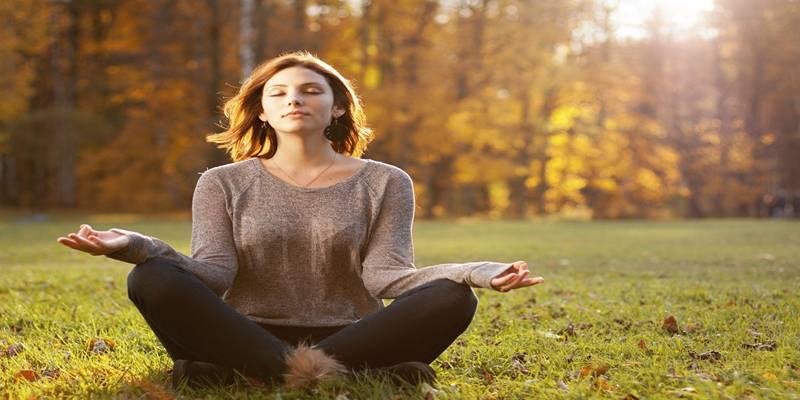
Mindfulness meditation encourages individuals to focus on the present moment without judgment. This practice allows thoughts and emotions to be observed rather than suppressed or reacted to immediately. Over time, mindfulness can reduce the brain’s reactivity to stress, foster emotional stability, and help regulate anxious responses.
Meditation may also promote structural changes in the brain areas associated with self-control and emotional processing. When practiced regularly, it becomes a sustainable method for preventing anxious thoughts from dominating daily life. With consistent dedication, mindfulness can become a cornerstone of lasting mental clarity and resilience.
Acupuncture and Traditional Chinese Medicine
Acupuncture, a central practice within Traditional Chinese Medicine, involves inserting fine needles at specific points on the body to balance energy flow, known as "qi." From a modern perspective, acupuncture may stimulate the nervous system to release chemicals that promote relaxation and reduce discomfort.
Many individuals report reduced anxiety symptoms, improved sleep, and greater mental clarity after acupuncture sessions. Although scientific opinions vary, its long history and continued popularity suggest it can serve as a valuable complementary treatment.
Nutrition and Dietary Support
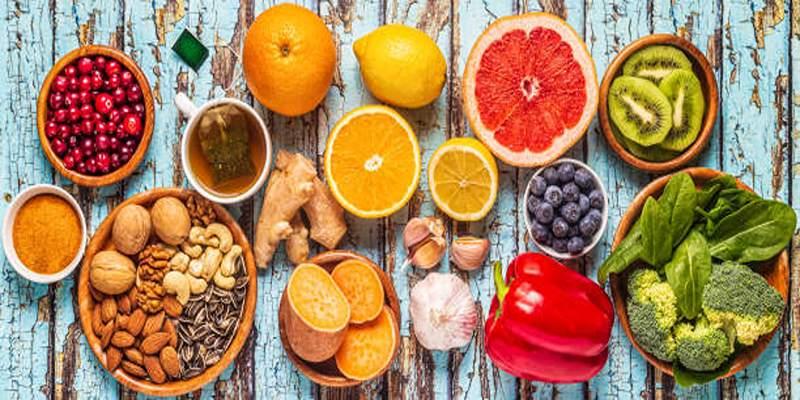
Nutrition plays a significant role in mental health. A diet that supports stable blood sugar levels, reduces inflammation, and provides essential nutrients can help regulate mood and energy. Foods rich in magnesium, omega-3 fatty acids, and B vitamins are particularly beneficial for nervous system function.
Maintaining hydration, limiting caffeine, and reducing processed sugar intake can further contribute to emotional stability. By nourishing the body properly, individuals create a physical foundation that supports better stress management.
Creative Therapies: Art and Music
Creative expression can be a powerful outlet for emotional release. Art therapy uses drawing, painting, or sculpture to process feelings, while music therapy involves listening to, composing, or performing music to promote relaxation. Both methods engage the brain in ways that foster self-expression, reduce tension, and elevate mood.
These therapies can be especially beneficial for individuals who find it difficult to express anxiety through words alone. They provide alternative pathways for emotional processing and recovery. Over time, creative engagement can also build confidence and strengthen emotional resilience.
Massage and Bodywork
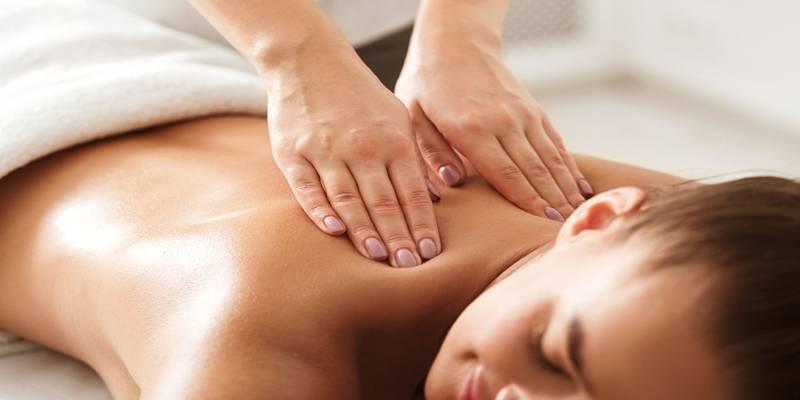
Massage therapy helps release physical tension, improve circulation, and trigger the body’s natural relaxation response. Modalities such as Swedish massage, reflexology, and shiatsu are commonly used to reduce stress and promote emotional balance.
By lowering cortisol levels and improving sleep quality, massage can indirectly reduce anxiety symptoms. Consistent sessions may also foster a greater sense of body awareness, helping individuals detect and address tension early.
Nature-Based Approaches and Ecotherapy
Spending time in nature can significantly reduce anxiety symptoms. Ecotherapy—intentional interaction with natural environments—includes activities like nature walks, gardening, and mindful observation of outdoor surroundings. Exposure to natural light, fresh air, and greenery can slow the heart rate, lower blood pressure, and ease mental strain.
This reconnection with the natural world provides grounding, shifting focus from intrusive thoughts to the sensory richness of the environment. Regular immersion in nature can also foster a lasting sense of peace and emotional renewal.
Conclusion
Alternative treatments for anxiety offer a diverse range of options that address the condition through relaxation, lifestyle balance, and mind-body connection. From herbal remedies and aromatherapy to mindfulness, acupuncture, and creative therapies, these approaches can help reduce symptoms and promote resilience.
When selected thoughtfully and used in combination with professional care, alternative treatments provide valuable tools for emotional well-being. They support a holistic view of health—one that nurtures the mind, strengthens the body, and empowers individuals to face life’s challenges with greater calm and confidence.