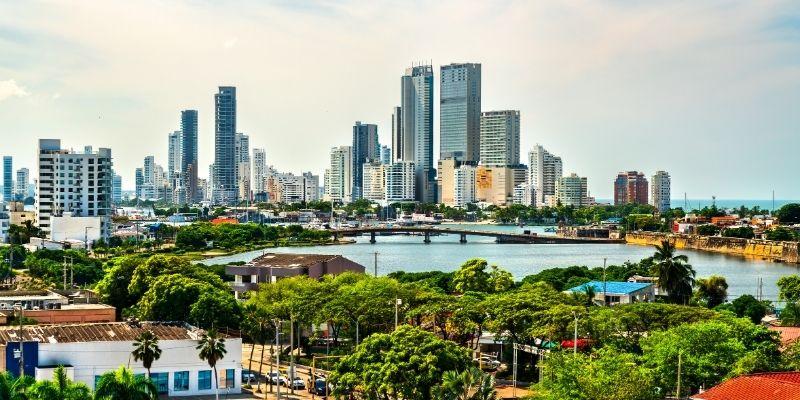
Cartagena de Indias is a city that thrives on sensory overload. For travelers coming from North America or Europe, it offers a Caribbean soul wrapped in Spanish colonial architecture. In the travel industry, we see a recurring problem with long weekenders: they underestimate the heat and the humidity. Most people arrive and try to power through the historic center at 2:00 PM, only to find themselves exhausted and dehydrated by sunset. A successful three day stint here requires a schedule that respects the equatorial sun. It means doing your heavy walking before 11:00 AM or after 5:00 PM.
Survival Strategies for the Walled City and Getsemaní
The historic heart of Cartagena is divided into the sanitized beauty of the Walled City and the bohemian grit of Getsemaní. For a travel planner, the choice of home base depends on your tolerance for noise. The Walled City is where you find the high-end boutique hotels like Casa San Agustín. It is beautiful, but it is also where the street vendors are most persistent. A common communication gap occurs when visitors aren't prepared for the level of hustle from hat and sunglass sellers. A firm but polite "No, gracias" while continuing to walk is the local etiquette.
Getsemaní offers a more human, observational experience. Centered around Plaza de la Trinidad, this neighborhood is where the locals actually hang out. On a Saturday night, you can buy a beer from a corner store and watch street performers while children play soccer in the square. The limitation here is the noise level; if your hotel is directly on the plaza, don't expect to sleep before 1:00 AM. A niche travel detail involves the "Calle de las Sombrillas" or Umbrella Street. It is a major bottleneck for photos, so if you want a clear shot, you have to be there by 7:30 AM before the tour groups arrive.
Tactical Approaches to the Rosario Islands
A long weekend in Cartagena almost always includes a day trip to the Rosario Islands. This is where most travelers run into the "tourist trap" bottleneck. If you go to the main tourist pier (Muelle de la Bodeguita) without a plan, you will be swamped by vendors selling "cheap" boat rides that often involve overcrowded vessels and hidden fees. A realistic user scenario involves a traveler booking a private or semi-private catamaran. It costs more, but it solves the problem of being stranded on a beach with loud music and overpriced food for six hours.
The Rosario Islands are a coral archipelago, and the quality of the beach varies wildly from one island to the next. For a three day trip, we suggest booking a day pass at a high-end beach club like Islabela or Coralina Island. These spots limit their daily capacity, ensuring you have a dedicated sunbed and a quiet environment. One consideration to keep in mind is the "return crossing." The sea between the islands and the mainland gets notoriously choppy in the late afternoon. If you are prone to seasickness, look for boats that depart the islands by 3:00 PM. This avoids the worst of the waves and gets you back to the city in time for a shower before dinner.
Dining Realities and the Sunset Reservation Race
Cartagena’s food scene is a mix of high-end fusion and street-level fried delights. The city’s culinary crown jewel is the ceviche, specifically at places like La Cevicheria, made famous by Anthony Bourdain. The problem here is the wait time. They do not take reservations, and the line can stretch down the block in the humid evening air. A smart move is to put your name on the list and go for a walk around the nearby Plaza de San Diego.
For a more refined evening, places like Celele are pushing the boundaries of Caribbean ingredients. However, the limitation is the booking window. This restaurant is often fully committed three weeks in advance. If you are looking for the classic "sunset over the wall" experience at Café del Mar, you need to be there by 4:30 PM to secure a table at the edge. If you arrive at 5:30 PM, you will be standing three rows back. A niche detail for dinner: many of the best restaurants are hidden behind unmarked wooden doors. Always double-check your map or ask your concierge for a landmark, as the street numbering system in the old city can be confusing for a first-time visitor.
Managing the Final Day and Castle Logistics
On your final day, the Castillo San Felipe de Barajas is the primary landmark to visit. It is a massive fortress that protected the city from pirates and the British navy. The realistic challenge here is the lack of shade. If you visit after 10:00 AM, you will be walking on exposed stone in 90-degree heat. To solve this, go at 8:00 AM when the gates open. This gives you an hour to explore the underground tunnels before the sun becomes unbearable.
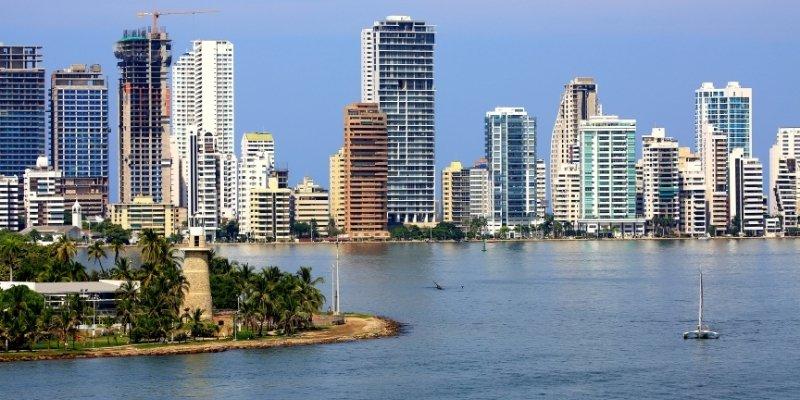
After the fort, head back into the city for a "limonada de coco" (coconut limeade). It is the unofficial drink of the city and the best way to recover from the heat. For last-minute shopping, avoid the street vendors and head to Las Bóvedas. These are old jail cells built into the city walls that now house artisanal shops. You find everything from emeralds to hand-woven "mochila" bags. The prices are higher than the street, but the quality is more consistent, and you can shop in the shade. As you wrap up your weekend, remember that Cartagena is a city that requires you to slow down. If you try to rush, the humidity will win.
The Lasting Appeal of the Heroic City
A long weekend in Cartagena is a study in color and heat. It is a place where the history is literal, written into the stones of the walls that still protect the center. Success on this trip comes from knowing when to be active and when to find a shaded balcony. By navigating the island logistics with a bit of foresight and respecting the equatorial rhythm, you allow the city’s magic to take over. You leave with the salt air in your hair and the rhythm of champeta music in your head, likely already thinking about your next visit to the Colombian coast.