
The vagus nerve is of great importance to our mental and body health by having a part in every aspect of our physical and psychological lives such as mood or inflammation. Through this guide we shall look into science of vagus nerve stimulation, how it may heal the brain and how it can be practiced.
Understanding the Vagus Nerve
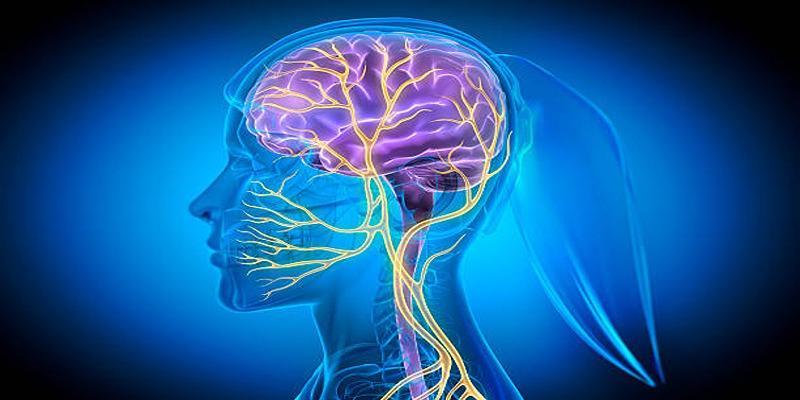
The vagus nerve is the body's longest cranial nerve, stemming from the brainstem and extending through the neck, chest, and abdomen, connecting to various organs. It's a key component of the parasympathetic nervous system, often called the "rest and digest" system, which promotes relaxation and recovery.
This nerve controls very vital body processes including heart rate, digestion, respiratory rate, and immune processes. Its extensive network enables it to transmit and receive the signal between the body and brain playing an important role in homeostasis and in the health and well-being in general.
What is Vagus Nerve Stimulation (VNS)?
Vagus Nerve Stimulation (VNS) is the stimulation of the vagus nerve by additional electric shocks, intending to enhance the work of the nerve and the effect on the occurrence of several physiological processes.
This treatment method has been applied to treat various disorders such as epilepsy, depression and some inflammatory disorders. This stimulation effect is achieved by stimulating the nerve routes, which are capable of regulating the action of the brain and aiding various body systems to be controlled.
Different Approaches to VNS
In general, VNS can be divided into two general techniques: invasive and non-invasive.
Invasive Techniques
These include the implantation of a surgical device usually a pulse generator into the skin around the chest or collarbone. A direct connectivity to the vagus nerve through a lead is linked to this device. This is an effective procedure but can be advised in patients with serious or resistant conditions since it is invasive and this procedure will jeopardize the lives of patients.
Non-Invasive Techniques
In non-invasive VNS technologies, no surgical intervention is required because they prefer external stimulation of the vagus nerve by external instruments such as the skin of the neck or ear. They are increasingly becoming popular as they are accessible, less risky, and user-friendly, which offers a viable alternative to using them in a wider application in the clinical and home environments.
The History of VNS Technology
Vagus nerve stimulation (VNS) can be traced back to the 19th century with initial researchers considering the possibility of modulating autonomic functions by VNS. Though, implantable VNS devices did not mature into a treatment mode until the late 20th century when the first one was approved to treat epilepsy in the 1990s.
Since, there have been more accurate and least invasive devices due to technological advancements. The use of non-invasive VNS, especially, has been innovated rather rapidly, extending its application to an expanded variety of conditions and becoming accessible worldwide to more patients.
Therapeutic Applications of VNS
Although its use was originally in the treatment of epilepsy, the applications of VNS category have widened much more and are able to be used with a therapeutic purpose of different neurological and physiological disorders. New applications in the field of VNS are still being discovered as research work still continues to establish it as a dynamic tool in the present-day medicine. Its numerous therapeutic uses are discussed below.
VNS in Epilepsy Treatment
VNS initially was given the green light on medicine-resistant epilepsy to alleviate pain in patients who reacted poorly to medications. It controls abnormal brain activity by eliminating the frequency of seizures and abnormal brain activity by sending mild electrical stimulations to the vagus nerve. It is one of the alternative solutions that play a crucial role in improving the life of persons in need of alternative solutions.
VNS for Depression

VNS has been shown to be beneficial in the treatment of major depression disorder especially amongst patients who have not responded to the traditional treatments. The vagus nerve stimulation seems to have effects on the parts of the brain that are associated with moods. This has given VNS a bright future in promoting emotional well-being in addition to treating cases of depression that do not respond to the treatment.
Emerging Uses of VNS
In addition to epilepsy and depression, VNS is currently under investigation in such fields as cluster headaches, migraines, or inflammatory diseases. Its applicability is revealed by its potential in the regulation of immune and pain pathways. These new applications will make the concept of non-invasive solutions still of interest thus opening the way to new advancements in healthcare.
Mechanisms of Action
Vagus Nerve Stimulation (VNS) is known to affect the brain by modulating the neural pathways working with mood, pain, and autonomic activities. It enhances the rate of release of some of the important neurotransmitters such as serotonin and norepinephrine, which promotes better communication between the brain and body.
VNS demonstrates a potential in the treatment of neurological and inflammatory diseases by inhibiting hyperactive neural pathways and enhancing homeostasis. The researches point to its effectiveness and safety and demonstrate that it is a potentially effective, non-invasive treatment option with minimal adverse effects.
Challenges and Considerations
Although VNS has demonstrated the impressive potential in its application to resolve complex health conditions, its application and subsequent adoption have the key considerations. The use of this problem is critical to overcome these challenges in order to make the most out of its potential and keep it safe, efficient, and accessible to patients that need it. We discuss these aspects below.
Cost and Accessibility
The cost is also one of the major problems of VNS that may restrict its use to patients living in low-income areas. Also, there is also the issue of trained medical professionals to administer and control the therapy. Increasing research expenditure and subsidizing health care can be used to address these barriers to access, making VNS accessible to more people.
Individualization
The response of VNS may differ greatly in different people, which predetermines a highly individual approach. They can be affected by patient-specific neural pathways or underlying medical conditions. Individual response rates and maximum results can be improved by developing high-tech stimulation settings that can be tailored to each user in real-time using advanced technologies and algorithms.
Conclusion
Vagus nerve stimulation (VNS) is a revolutionary treatment method of epilepsy disease, depression, and other neurological diseases. VNS offers huge possibilities in healing and resilience through improving the process of brain-body interaction and creating balance. As new studies continue to be made and the treatment becomes more accessible, this therapy is soon to be able to radically transform the way mental and neurological health is treated in modern times.