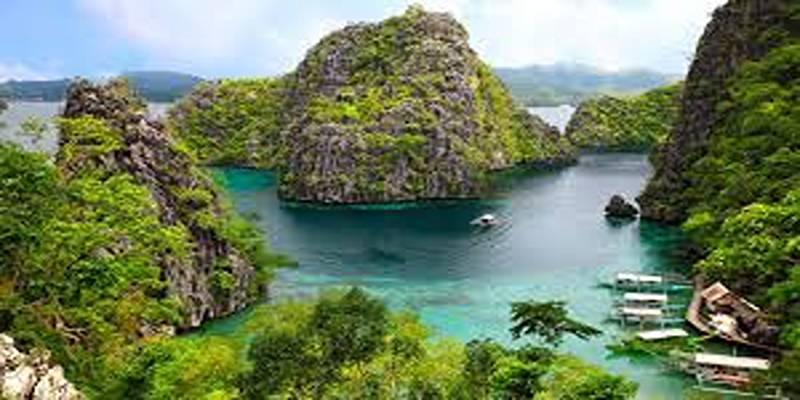
Tottori may not be the first place travelers think of when exploring Japan, yet it hides a landscape unlike anywhere else in the country. Imagine standing at the edge of sweeping golden dunes that stretch toward the Sea of Japan, where wind and light constantly reshape the view.
The Tottori Sand Dunes are more than a natural spectacle — they are an open invitation to experience Japan’s quieter, more contemplative side. Nearby sits the Sand Museum, a place where ordinary grains of sand are turned into breathtaking sculptures that rival marble in detail and emotion. Together, these two attractions form a journey that blends art, nature, and imagination into something truly unforgettable.
The Desert by the Sea
The Tottori Sand Dunes, or Tottori Sakyu, cover roughly 16 kilometers along the coast, shaped by centuries of wind sweeping in from the sea. The dunes rise and fall like soft waves frozen in motion, with some peaks reaching over 45 meters high. Walking across them feels surreal — every step sinks slightly, and the horizon shifts with each gust. Early mornings bring a pale blue haze that fades into gold, while evenings glow with pink and amber light reflecting off the sand.
Unlike deserts in other parts of the world, Tottori’s dunes sit beside the sea, where salt air and moisture constantly change their texture. The ground can feel firm one moment and silky the next. Visitors often pause at the top of a ridge to look out over the ocean, where waves crash gently against the sand’s edge.
A Playground of Nature and Adventure
The dunes attract travelers who want more than a view. Sandboarding is a favorite activity, letting you glide down steep slopes with the wind in your hair. Those seeking peace can opt for a camel ride that sways gently across the ridges, offering a taste of desert travel without leaving Japan. For photographers, sunrise and sunset turn the dunes into a living canvas of colors that shift by the minute.
In summer, the heat builds underfoot, but the sea breeze keeps it comfortable. In winter, light snow dusts the dunes, creating patterns of white and gold that feel almost otherworldly. The landscape never stays the same for long; nature redraws it each day, making every visit slightly different from the last.
Where Sand Becomes Art
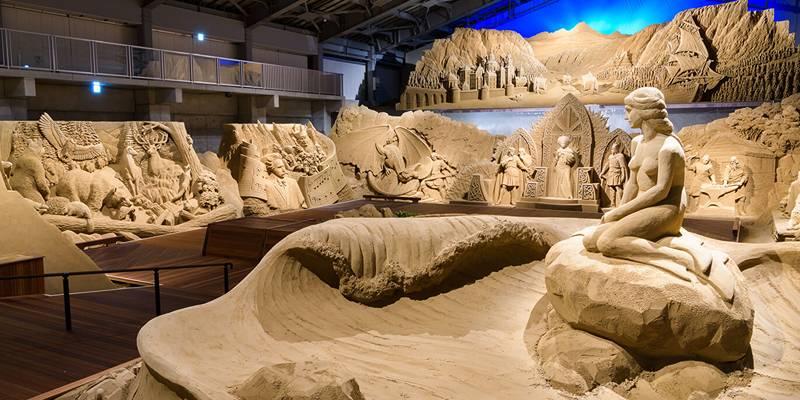
Just a short walk from the dunes lies the Sand Museum, an indoor gallery devoted entirely to sand sculpture. At first glance, the idea sounds simple — piles of sand shaped into forms — but the results are astonishing. Each year, the museum hosts an international exhibition featuring artists from around the world, all working around a single theme. They sculpt life-sized figures, palaces, mythological scenes, and intricate cities using only sand and water.
The detail is extraordinary. You can stand before a face carved so finely that it seems to breathe, or gaze up at a castle so tall you instinctively look for a drawbridge. The air carries a faint earthy scent from the sand, adding to the illusion that you’re walking through a world built entirely of dust and dreams.
What makes the museum even more fascinating is its impermanence. After each exhibition, the sculptures are broken down, and the sand is reused for the next year’s creations. Nothing lasts forever here — and that’s the point.
The Human Touch Behind the Sculptures
Watching the artists at work, you realize how fragile yet powerful sand can be. They carve layer by layer, often spending weeks refining small details under bright studio lights. Some kneel with brushes, others use wooden sticks to shape delicate folds of fabric or the curve of a hand. Visitors can sometimes observe this process through glass panels, which adds an intimate dimension to the experience.
The artists come from many different backgrounds — some trained in architecture, others in fine arts or stage design. Yet they all share a fascination with texture and form. Their work transforms an ordinary material into something deeply emotional. You can almost feel the hours of patience packed into every grain.
A Connection Between Nature and Creativity
What links the dunes and the museum is a shared respect for impermanence. Nature sculpts the dunes daily with wind and rain, while humans sculpt the sand with imagination and discipline. Both are bound by time — one erased by storms, the other by design. Visiting both sites feels like witnessing a dialogue between the earth and the human spirit.
There’s also something deeply grounding about standing among so much sand. It’s soft yet firm, shifting but dependable. As you walk from the dunes to the museum, you carry a little of it on your shoes — a silent souvenir that ties you to the place. Many travelers describe the visit as meditative, even calming.
Why Tottori’s Sand Experience Stays With You?
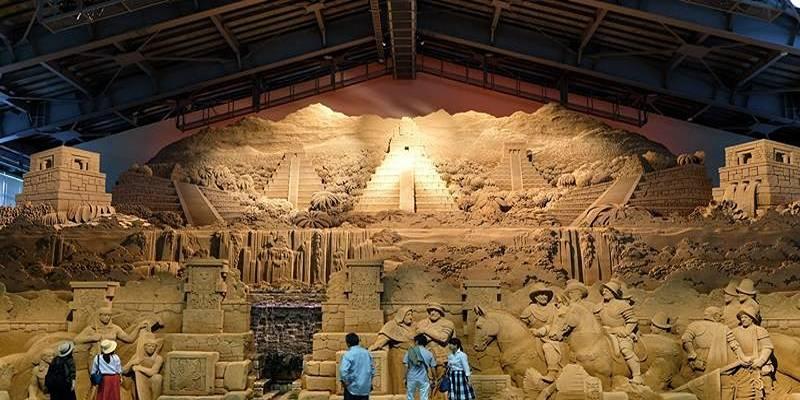
Long after leaving, people remember the feeling of soft sand beneath their feet and the sight of sculptures that seem too perfect to be temporary. The Tottori dunes and Sand Museum invite reflection in a way few attractions can.
They remind visitors that creativity can grow from the simplest elements, and that beauty can exist in moments, not just monuments. Walking back toward the city, you might notice a trace of sand still clinging to your clothes. It feels like the land’s quiet way of saying goodbye — or perhaps, see you again when the wind reshapes the view.
Conclusion
The Sand Museum and the Tottori Sand Dunes together form one of Japan’s most surprising journeys — a meeting point of imagination and the natural world. The dunes shift with every breeze, while the sculptures rise and fall with each exhibition. Yet both leave the same impression: that wonder can come from the humblest materials.
Whether you stand barefoot on the warm slopes or wander through the museum’s silent halls, Tottori’s sand will remind you how art and nature share the same language — one spoken softly, but remembered long after you’ve gone.