Travel introduces a complex array of environmental variables that can destabilize a patient's otherwise controlled asthma. Changes in altitude, humidity, air quality, and unavoidable exposure to novel or heightened allergen concentrations all increase the risk of an exacerbation. For patients with a chronic inflammatory airway condition, the core challenge of managing asthma attacks while away from home lies in maintaining consistent access to medication and emergency protocols in unfamiliar settings. A proactive approach must treat the journey itself as a high-risk scenario, necessitating rigorous planning regarding medication redundancy, environmental control, and pre-defined steps for acute symptom management.
Medication Security and Continuity of Care During Transit
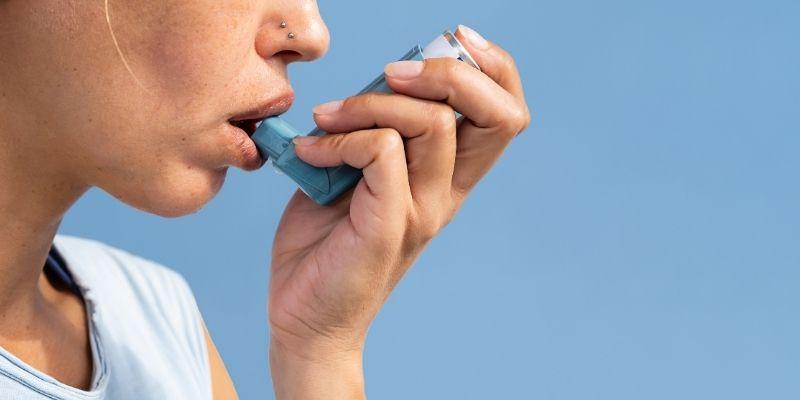
The failure to secure adequate medication supplies is the most common breakdown in asthma management during travel. A controlled asthma regimen relies on two classes of medicines: controller medications (inhaled corticosteroids) for daily, long-term inflammation management and reliever medications (short-acting beta-agonists, or SABAs) for acute bronchospasm. Loss or theft of a single device can instantly convert a stable condition into a precarious one.

Protocol mandates that all essential asthma medication, including nebulizer solutions or oral steroids, must be carried in hand luggage. Checking these items into the main baggage risks exposure to extreme temperatures in the cargo hold, which can compromise the medicine’s molecular integrity, or loss due to misrouting. Furthermore, security and customs officials must be presented with the medication in its original, labeled packaging, accompanied by a recent copy of the prescription or a doctor's letter. This validates the necessity of the medicine, particularly for large-volume devices like nebulizers or multiple inhalers.
The concept of medication redundancy is critical for asthma travel prevention. It is advised to pack double the required amount of controller and reliever inhalers for the duration of the trip. The excess supply is then split between two different pieces of carry-on baggage. This strategy ensures that if one bag is lost or misplaced, the patient retains immediate access to life-sustaining pharmacology. Locating an appropriate dispensing pharmacy in a foreign country, particularly one that honors the local prescription structure and carries the precise brand or generic formulation, is often impossible during an emergency.
Environmental Hazard Mitigation in Novel Settings
A frequent trigger for individuals with asthma is exposure to unfamiliar allergens or irritants outside their controlled home setting. Hotels, cruise cabins, and short-term rentals introduce environments where cleaning routines, ventilation quality, and prior occupancy patterns are uncertain. Mold, dust mites, and strong detergents are common in these spaces and often difficult to avoid.
Environmental precautions should begin as soon as lodging is reached. Asking for a non-smoking room is routine, but securing a room that has not housed pets is just as important. Pet dander remains embedded in carpets and upholstery long after the animal is gone. Bedding carries notable risk for dust mites. When synthetic bedding cannot be confirmed, bringing small dust-mite-proof pillow covers provides a modest but meaningful layer of protection during sleep.
Air travel produces another challenge. Cabin air is markedly dry, leading to dehydration of airway mucosa. This dryness does not directly provoke an attack but can increase bronchial sensitivity. Drinking water throughout the flight supports mucosal stability. Avoiding the overhead vent during takeoff and landing reduces exposure to circulating particles. If the destination has poor outdoor air quality due to pollution or seasonal pollen, reviewing daily air quality reports and adjusting outdoor time accordingly becomes a practical part of symptom control.
Acute Exacerbation Protocol and Peak Flow Monitoring
The ability to objectively assess the severity of an asthma exacerbation is difficult without diagnostic tools. The standard measure of lung function decline is the Peak Expiratory Flow (PEF) meter. This small, portable device measures the maximum speed of air expulsion, providing a clear, quantitative reading of airway obstruction. Patients must establish their personal best PEF reading before the trip begins. This baseline reading is the metric against which all subsequent readings are compared.
During a trip, a sudden drop in the PEF reading (e.g., below 80% of the personal best) serves as a quantitative warning sign, often preceding the onset of audible wheezing or severe shortness of breath. The established emergency asthma care protocol should be written down and kept with the patient's ID and medication. This Asthma Action Plan dictates specific steps based on objective PEF values: green zone (stable), yellow zone (caution, requiring SABA and potentially oral steroids), and red zone (medical emergency, requiring SABA, oral steroids, and emergency services activation).
Following the action plan removes subjective panic from the decision-making process. If a patient is traveling alone or with non-medical companions, the plan ensures correct, structured administration of the rescue inhaler (SABA). The standard emergency dose is four to eight puffs of the SABA, inhaled with a spacer device, repeated every 15 to 20 minutes while awaiting emergency medical attention.
Communication and Access to Local Medical Resources
In the event of a severe, non-responsive asthma attack, reliance on local emergency infrastructure becomes necessary. Pre-trip research into the location of the nearest, most appropriate medical facility—a hospital with an established emergency department, not an urgent care clinic—is a safety measure often overlooked.
It is crucial to carry documentation written in the language of the destination country, detailing the diagnosis and current medications (generic names). This facilitates communication with foreign medical personnel who may not recognize brand names or be fluent in the patient’s language. Furthermore, travel insurance documentation that explicitly covers the evacuation or acute medical care of a pre-existing condition is non-negotiable. Without this financial safeguard, a protracted hospital stay due to a severe asthma attack can result in immediate economic distress.
For travelers prone to language barriers, medical alert jewelry or a card that clearly states "Asthma, Allergy to X, requires immediate Salbutamol" provides vital, rapid information to first responders. This bypasses the communication delay often encountered during the critical seconds of a severe exacerbation. The proactive establishment of these logistical and communication redundancies forms the ultimate safety net for managing asthma attacks outside the domestic clinical environment.
Conclusion
Effective asthma management during travel is predicated on anticipating environmental variables and ensuring immediate access to pharmacological intervention. The preparation strategy must include medication redundancy, meticulous control of the transient environment, and adherence to an objective, written Asthma Action Plan keyed to PEF readings. Establishing clear communication protocols and locating local emergency resources are essential steps that convert a high-risk journey into a safely controlled logistical exercise.