When a hurricane makes landfall, the destruction is often measured by the immediate death toll, property damage, and emergency response efforts. However, research has revealed a more unsettling reality: the impact on human health does not end when the winds die down and the floodwaters recede. In some regions, elevated mortality rates can persist for as long as 15 years after a major storm.
This long-term cost is caused by many things, from broken healthcare systems and the fall of the economy to problems with mental health and environmental dangers. Policymakers, healthcare providers, and disaster recovery teams who want to protect vulnerable groups in the long run need to understand these effects.
Timeline of Hurricane-Related Deaths
Usually, a lot of information is shared about deaths from drowning, building falls, and storm-related injuries in the days after a hurricane. It's rare for these formal numbers to take into account the years afterwards when more people die than expected. Long-term deaths related to hurricanes usually happen indirectly, such as from long-term diseases getting worse, medical conditions not getting treated on time, and the mental stress of taking a long time to heal.
Studies tracking communities over decades have shown that these secondary effects can persist for more than a decade, with certain regions experiencing a slow but steady increase in deaths compared to pre-storm levels. These trends suggest that hurricanes are not singular events but rather the starting point of extended public health crises.
Why the Risk Extends Beyond the Immediate Aftermath?
The long shadow of hurricane-related mortality is the result of interconnected challenges that unfold over time.
1. Damage to Healthcare Infrastructure
Hospitals, clinics, and pharmacies can take years to return to full capacity after a major storm. Equipment may be destroyed, records lost, and supply chains disrupted. In rural or economically disadvantaged areas, rebuilding can be especially slow, forcing residents to travel long distances for care.
2. Economic Disruption and Poverty Cycles
A hurricane can devastate local economies by destroying businesses, reducing tourism, and displacing workers. Unemployment and reduced income lead to long-term financial strain, which in turn affects nutrition, housing stability, and the ability to afford medical treatment.
3. Mental Health and Emotional Stress

The psychological impact of surviving a hurricane is often underestimated. Anxiety, depression, and post-traumatic stress disorder can persist for years, influencing both mental well-being and physical health. Untreated mental health issues can increase the risk of substance misuse, cardiovascular problems, and even suicide.
4. Environmental Hazards That Linger
Floodwaters can leave behind mold, contaminated soil, and polluted water supplies. These hazards can cause respiratory illnesses, skin conditions, and gastrointestinal diseases, some of which emerge or worsen months or years later.
5. Disruption of Social Support Systems
Displacement scatters families and erodes community networks. This loss of social cohesion can make it harder for vulnerable individuals — particularly the elderly and those with disabilities — to access help during ongoing health challenges.
Populations at Highest Risk
Long-term hurricane mortality does not affect all groups equally. Marginalized communities, including low-income neighborhoods and communities of color, face higher risks due to pre-existing inequities in healthcare access, housing quality, and employment opportunities.
Elderly residents are particularly vulnerable. They are more likely to have chronic conditions requiring regular care, and even small interruptions in treatment can lead to life-threatening complications. Children can also experience lasting effects, as disrupted education, unstable housing, and chronic stress impact both their development and long-term health.
Addressing these risks requires targeted recovery strategies that prioritize vulnerable groups. Without deliberate action, the gap in hurricane-related health outcomes will continue to widen over time.
The Difficulty of Measuring the True Impact
Determining the full scale of hurricane-related deaths over 15 years is challenging. Official statistics often focus on immediate fatalities, while delayed deaths from chronic illnesses, infections, or mental health crises are rarely classified as storm-related.
Longitudinal research is critical in uncovering these hidden impacts. By following communities over many years and analyzing patterns in mortality data, public health experts can better understand how hurricanes contribute to long-term health declines and use that information to develop stronger recovery strategies.
Rethinking Recovery Beyond Rebuilding
Traditional disaster recovery focuses heavily on physical reconstruction — repairing homes, restoring utilities, and reopening businesses. While these steps are essential, they do not address the health crises that can persist for over a decade.
A truly comprehensive recovery plan must include:
- Sustained healthcare access to manage chronic illnesses and provide preventive care.
- Mental health services are designed to support survivors long after the initial disaster response.
- Environmental cleanup is needed to eliminate lingering hazards that can harm health.
- Economic revitalization programs to break cycles of poverty that disasters often worsen.
These measures require multi-year funding commitments, not just short-term emergency aid.
Policy Implications and Preparedness Lessons
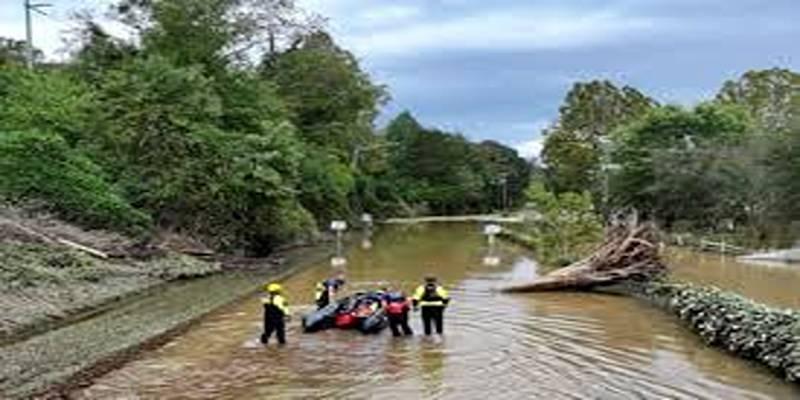
The knowledge that hurricanes can influence mortality for 15 years should reshape how governments and aid organizations approach disaster management. Preparedness plans must anticipate not only the immediate emergency but also the decade-long recovery ahead.
Extending federal and state disaster assistance programs beyond the usual timelines could provide a critical safety net. Investments in resilient healthcare systems, such as storm-proof hospitals and mobile clinics, can help maintain care access even in damaged regions.
Data collection must also improve. Without accurate, long-term health tracking, the true human cost of hurricanes will remain underestimated — and under-addressed.
Conclusion
Hurricanes leave an immediate mark through visible destruction and tragic loss of life. Yet their less visible legacy — increased mortality for up to 15 years — is equally important. Damaged healthcare systems, economic instability, mental health struggles, environmental hazards, and weakened community ties create a prolonged period of vulnerability that can claim lives long after the storm has passed.
Recognizing and addressing this extended impact is not optional; it is essential for protecting public health in an era of more frequent and severe storms.