Barcelona gets its fair share of attention, and much of it centers on the same places. Sagrada Família. La Rambla. Park Güell. For travelers trying to avoid shoulder-to-shoulder foot traffic and inflated ticket prices, those spots often feel more like obligations than enjoyable visits. What’s less obvious is that Barcelona rewards a slower, more curious kind of visitor. The kind that skips the bucket list. There’s a different rhythm tucked into the city’s corners—places that don’t show up on tour itineraries but carry just as much story. You won’t find them from a hop-on-hop-off bus.
When the Best View Isn’t on a Postcard
Most people chase the view from Bunkers del Carmel. It’s scenic, sure, but crowded. For something quieter, head to Turó de la Rovira around sunset, but approach from the backside near Carrer de Marià Lavèrnia. It’s less direct but trims down the number of people making the climb. The old anti-aircraft batteries still sit at the top, and they weren’t built for tourism. They were built for war. There’s no queue, no gate, no ticket window. Just a 360-degree view of the city that still shows signs of its past.
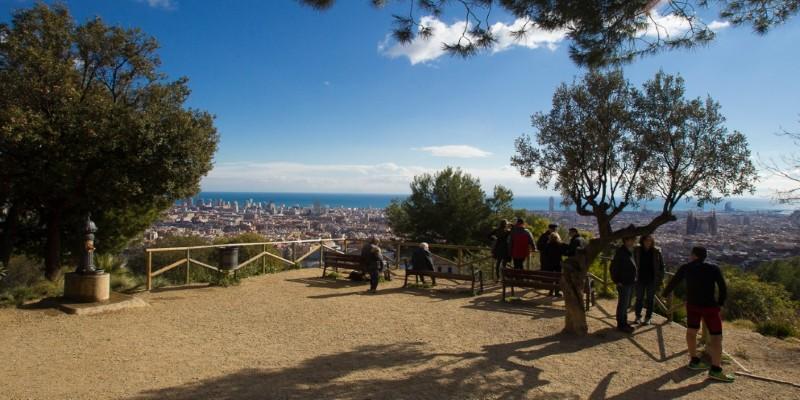
Nearby, Parc del Guinardó rarely gets listed on travel guides. It's steep, shaded, and has natural terraces where older residents bring their dogs in the morning. In spring, it smells like pine and jasmine. There's a reason locals prefer it to Park Güell, especially when prices go up during high season. Travelers trying to stretch out their days without spending €10 on every entrance ticket should make this part of their route.
Expect to move across uneven paths and slopes. It’s not ideal for anyone needing level terrain. There’s no shade structure either, so midday in summer can be uncomfortable. Early morning or late afternoon is more manageable.
Where the City Hides Its Stories?
In the Gothic Quarter, most people drift toward the cathedral. But around the back, on Carrer del Bisbe, there’s an overlooked detail on the wall near Plaça de Sant Felip Neri. It looks like damage. It is. These are the scars left by a bombing during the Civil War. No plaque explains it. You either know or you don’t. It changes how the square feels. The spot is quiet because most tourists don't linger, but those working nearby pass through daily. It’s one of the few places where Barcelona doesn’t try to cover up its history with aesthetics.
Then there’s the old Hospital de la Santa Creu, now part of the library system. Most walk right past it en route to the newer modernist site, but the original complex is open to the public. The cloisters are shaded and calm, with benches under orange trees. The foot traffic is low, except for students taking breaks between lectures.
This works well for travelers looking for an unhurried stop between major sites. It’s free, doesn’t require planning, and provides a rest without having to retreat to a café. The only thing to consider is timing—mid-morning to early afternoon sees a slight uptick in foot traffic from students and staff, but nothing overwhelming.
What to Do When You Don’t Want to Stand in Line?
Poble-sec is a good answer for anyone looking to avoid lines. Not just for food, though it's good for that, but because it offers streets worth walking. Carrer de Blai gets some attention, but the small public gardens above Avinguda del Paral·lel offer more breathing room. Jardins de Mossèn Costa i Llobera, perched along Montjuïc’s slopes, host one of the most interesting cactus collections in Europe. It rarely fills up. The views stretch out toward the port, and there’s plenty of room to sit and stay.
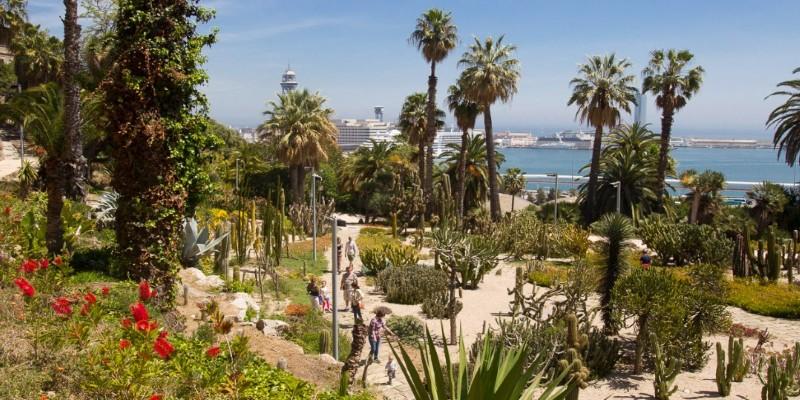
The trick here is timing. Go during shoulder seasons—April to early June or late September. These gardens don’t offer much shade, so summer can be harsh. There’s no cover if it rains. But during spring or early autumn, it’s ideal. Midweek is best if you want it mostly to yourself. It’s also close to the cable car stations, but not enough to bring the same level of crowd. No entry fee, either.
Nearby, the old cemetery of Montjuïc is rarely mentioned. It’s not for everyone. Some might find it heavy. But architecturally and historically, it’s unlike anything else in the city. Mausoleums carved into hillsides. Statues are more intricate than those in many museums. Names and dates that trace the shifts in the city's history. There's a map at the entrance, and even if you're not there for genealogy or graves, the design and layout are striking. Bring water. There are no cafés or kiosks nearby. And wear shoes with grip—the paths aren’t always paved.
Places That Work Better Without a Plan
Not every attraction needs structure. El Poblenou is a good example. It feels like its own town inside the city. Rambla del Poblenou offers an easier walk than its central namesake, and smaller spots like the old industrial complex turned creative space, Palo Alto, sometimes open for weekend markets. But even when closed, the area is worth wandering. Street art, converted warehouses, and shops that only locals know how to find.
This neighborhood works best for slow afternoons. It doesn’t offer the big-ticket visuals of the city center, so it suits travelers not rushing to pack in monuments. It’s also far enough from the core that short-term rental pricing tends to dip, especially for those booking stays outside the peak months of July and August.
One thing to know: public transport is available but requires a transfer or two depending on where you're coming from. This isn't a stop-and-go district. You need time to walk, look around, and maybe sit for a while. And that's part of the appeal. It solves the problem of over-planning, where every hour is filled. You can just be in it, not racing through it.
Conclusion
Some people leave Barcelona thinking they’ve seen it all. Usually, they’ve only scratched the surface. The best places aren’t flashy or obvious—they’re tucked into the quiet corners and side streets. You won’t stumble on them in a rush. But once you do, the way you see the city shifts. What felt distant starts to feel familiar.