Tunisia doesn’t fight for your attention, but maybe that’s why it holds it longer. It isn’t loud or crowded with photographers chasing trends. It’s subtle, surprising, and filled with light that changes everything it touches. From quiet coastlines to shifting salt flats and shadowed alleys, Tunisia’s landscapes feel real — unpolished, but rich in detail. For photographers, that’s gold.
You won’t need permission to slow down here. The scenes come to you: locals resting in courtyards, kids kicking a ball past ancient walls, or fishermen hauling in nets before sunrise. Tunisia doesn’t dress up for you — it stays true to itself. That’s what makes the photos honest.
Tunis Medina
The Medina of Tunis is a maze, and that’s part of its charm. You don’t shoot here by looking for landmarks. You follow the light. It slips through wooden shutters, reflects off tile-covered fountains, and disappears into passageways that seem too narrow for sound.
Market life here moves fast. Fruit vendors call out prices while kids dart through crowds and old men sip tea on plastic stools. One second, your lens is filled with motion. Next, you find perfect stillness in a faded mosaic or a crumbling doorway lit by the afternoon sun. If you want contrast, this is where to find it. Not just in your images, but in the life around you.
Sidi Bou Said
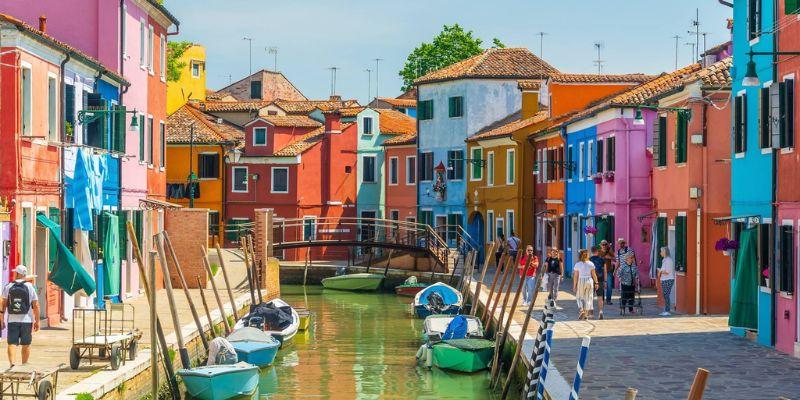
Just a short ride from Tunis, Sidi Bou Said almost looks staged. Whitewashed walls and cobalt blue doors create a color harmony that feels like a dream. But don’t stop at the first beautiful doorway you see. Walk further. Watch how the morning light hits the alley curves. Look for the quiet spaces — someone sweeping steps, a cat lounging in shade, a man selling jasmine flowers.
The Mediterranean backdrop adds layers to your compositions. Early mornings here are especially photogenic. There’s less movement, softer shadows, and clean, even light bouncing off every surface. Wait for the sea breeze to shift a curtain or a passerby to frame your shot. You’ll walk away with more than you expected.
Chott El Jerid
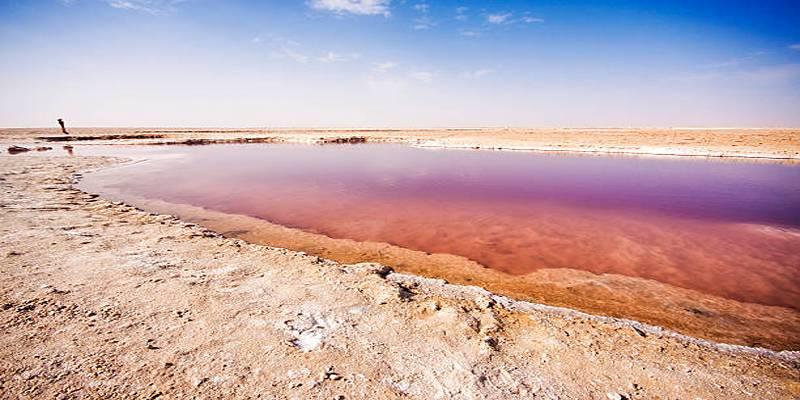
Near the desert town of Tozeur lies Chott El Jerid, a salt flat that seems to stretch into forever. It’s flat, dry, and impossibly quiet. But as the sun shifts, so does the color of the surface — from pale white to glowing orange, sometimes even lavender under certain skies.
Photos here aren’t about subjects; they’re about atmosphere. The sky, the light, and the ground all blend into something surreal. You won’t need much gear. Just patience and good timing. Try walking barefoot across the crusted ground for a different angle, or crouch low to capture the textures that ripple like broken glass. Chott El Jerid doesn’t give you much — and that’s why every shot you take feels earned.
Matmata
Matmata offers something few places can: homes carved into the earth. These troglodyte dwellings are circular pits dug into the ground with rooms surrounding them. The architecture alone is worth shooting, but the way light behaves inside these homes is what makes them unforgettable.
You might need to knock and ask before photographing, as these homes are still very much lived in. But most people are warm and open, especially if you show genuine interest. Natural light filters through holes and gaps, hitting stone walls in ways that feel sculpted. Your shots will have deep contrast, soft gradients, and a strong sense of quiet. No flash needed. Let the walls and silence do the work.
Douz
South of Matmata is Douz, a town known as the gateway to the Sahara. But don’t let that title fool you. It’s more than just a stop before the dunes. Life here revolves around the desert, but that doesn’t mean it's frozen in time.
If you wake up early, you might catch camel herders setting out or market vendors loading up carts before the heat hits. Walk outside the town and you’ll see the desert begin. Dunes curve in soft patterns, catching warm light at the edges. They’re not massive, but they have rhythm. They photograph well during golden hour, and even better with shadows stretching across their curves.
Mahdia
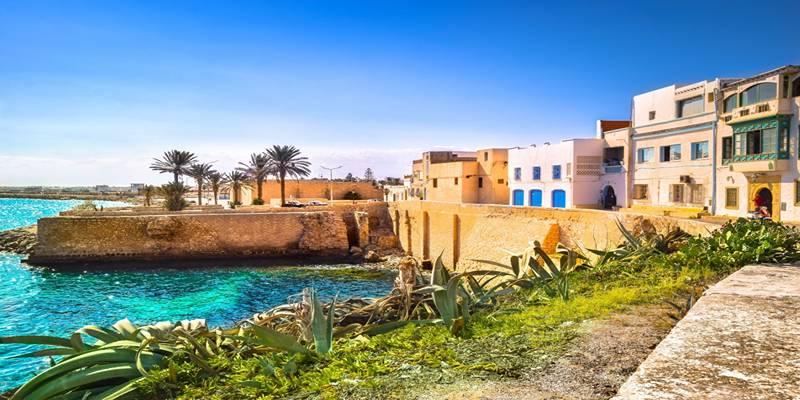
Mahdia doesn’t rush. It’s a coastal town where time slows and photography becomes more about watching than chasing. Fishermen dock their boats as the sky turns soft pink. You hear gulls, waves, and sometimes, nothing at all.
The harbor here is especially photogenic — colorful boats, nets hanging to dry, and reflections dancing in the water. If you arrive early, you can catch the whole routine of returning fishermen. They’re busy but friendly. Ask before shooting, and you’ll often get a nod. Some might even pose if the timing feels right. There’s no hurry here. That’s the charm.
Kelibia
Kelibia sits on Tunisia’s northeast coast and feels like it’s built for a wide-angle lens. The beach curves cleanly along the sea, and a fortress overlooks the water from a steep hill. From up there, the view is a gift. But even down at sea level, there’s no shortage of scenes: waves crashing on rocks, local families gathered for picnics, and old boats pulling in nets just before sunset.
You’ll notice the light here stays longer than you expect. That golden hour seems to stretch, especially in late spring. Bring a polarizer if you want to deepen the blues, but even without one, the colors here come through naturally. It’s the kind of place where you start out shooting the view, and end up focusing on the small details — a sand-covered shell, a kid’s footprints, or a trail of water from a dragged net.
Conclusion
Tunisia gives photographers something real. Not polished, not curated — just lived-in beauty across cities, coasts, and desert spaces. From the rhythm of fishermen in Mahdia to the quiet light in a Matmata home, you’re capturing more than scenery. You’re catching life as it is, not as it’s made to look. You don’t need a checklist of spots. Just bring your lens, walk slowly, and let the country show you what it’s been holding in plain sight.