Retirement isn’t just a date on the calendar—it’s a finish line that creeps closer whether you’re sprinting or strolling toward it. For many, the worry isn't just about retiring, but about doing it comfortably and without financial guesswork. You may be saving something each month, maybe through an employer plan or a personal account, but what if the pace feels too slow? What if inflation and market swings seem to push the goalpost further? A growing number of people are treating retirement like a race, not out of panic, but precision. And in that race, the faster your investments grow, the more flexibility and freedom you get later.
Understanding the Retirement Race
There’s no fixed age for retirement anymore. Some aim to stop working at 60. Others want the option by 45. No matter the number, the key factor is how much you’ll need and whether you’re on track to get there. That’s where the concept of a “retirement race” becomes useful. It’s not just about working hard—it’s about using time, money, and decisions well.
This race starts with clarity. How much will you need monthly or annually once paychecks stop? Are you factoring in healthcare, housing, travel, and the possibility of supporting adult children or aging parents? Once those numbers are clearer, you can reverse-engineer how much to save and where to put it.
Time is your strongest teammate if used early. The earlier you invest, the more your money compounds. Compound growth means your returns begin earning returns. But the opposite is true as well: delay too long and even large monthly contributions might not be enough to catch up without taking bigger risks.
Speeding Up Investment Growth (Without Unnecessary Risk)
Growing investments faster doesn’t mean gambling. It means knowing where your money is, how it grows, and how to nudge it toward better results. This includes tax efficiency, asset allocation, and consistent contributions.

Start with tax-advantaged accounts. Employer plans, such as 401(k)s, and government-backed options, like IRAs, help your money grow without immediate taxes slowing it down. Roth accounts, where you pay taxes upfront but withdraw tax-free, are especially useful for younger investors expecting higher income later. These tools aren't magic, but they create room for your investments to grow without as much drag.
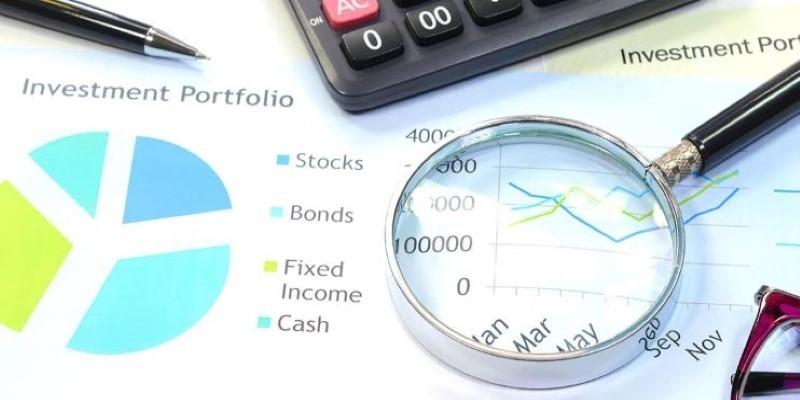
Next comes asset allocation. This is how your money is split between stocks, bonds, and other investments. Younger investors typically lean toward stocks because of their growth potential over time. As retirement gets closer, more stability is added through bonds or cash equivalents. But even at age 50 or 55, having some growth-oriented investments is important, since retirement can last 25-30 years or more.
Then there’s consistency. Regular contributions, even in small amounts, build momentum. Automatic transfers help avoid the trap of spending what you intended to save. And dollar-cost averaging—investing the same amount at regular intervals—can smooth out the ups and downs of the market, which helps take emotion out of the process.
Common Pitfalls That Slow You Down
Even well-meaning savers can lose ground without realizing it. One of the biggest setbacks is lifestyle inflation—spending more as you earn more. It’s easy to match a raise with a bigger car payment or a larger home, leaving little extra to save. Another is ignoring fees. High investment fees, even small percentages, can eat away tens of thousands over decades.
There’s also the problem of leaving money idle. Large amounts in a savings account earning almost no interest lose value over time because of inflation. Every year that cash sits, it buys a little less. Parking your emergency fund in a high-yield savings account or short-term government bonds is fine, but anything beyond that should be working harder.
And then there’s emotional investing. Panic selling during a downturn locks in losses, just as chasing “hot tips” can lead to disappointment. Time in the market beats timing the market almost every time. A boring, steady plan often outperforms the most complicated strategies.
Finally, many people underestimate healthcare costs or assume Social Security will cover most of their needs. While Social Security helps, it’s not designed to be your full income. Planning around it—not relying on it—gives more flexibility.
Turning the Race into a Strategy
It’s not about retiring earlier than your friends or hoarding wealth. It’s about freedom—whether that means traveling, switching careers, starting a business, or just slowing down without fear of running out of money. The idea of a “retirement race” isn’t meant to create anxiety. It’s meant to shift the mindset from passive to intentional.

A smart strategy involves adjusting along the way. If your investments have underperformed, look at your asset mix. If your savings rate is low, revisit your budget. If you've received a windfall—a bonus, an inheritance, or a side income—consider how much can be directed toward retirement.
Technology has made tracking progress easier. Many apps and financial dashboards let you see how close you are to your goal, simulate different retirement ages, and adjust for inflation or tax changes. This visibility helps keep momentum strong.
There's also the possibility of semi-retirement. If you enjoy working part-time or freelancing later in life, your nest egg doesn't need to cover as many expenses upfront. That takes pressure off and buys more time for investments to grow. Retirement doesn't have to mean stopping—it can mean choosing.
No one controls the market, and life will always bring surprises. But the combination of starting early, investing consistently, staying calm during market changes, and spending mindfully creates a strong chance of success. Even late starters can make meaningful progress with the right moves.
Conclusion
The race to retirement isn’t about rushing—it’s about direction. It’s about making decisions today that pay off over the long haul. Whether you’re 25 or 55, there’s always something you can do to move closer to financial independence. Growing investments faster doesn’t mean being reckless—it means being aware, consistent, and realistic about how money grows over time. With a clear picture, some patience, and regular course corrections, retirement becomes less of a question mark and more of a flexible milestone. And that peace of mind is often worth more than the number in your account.