One of the most elegant and stylish design movements in history is Art Deco. It first appeared in the 1920s and 1930s and combined bold shapes, rich materials, and new ideas. The style spread worldwide and changed the look of skyscrapers, movie theaters, hotels, and even fire stations.
Every Art Deco structure has a tale to tell about how it was built and how it looks from the bright skyline of New York to the pastel streets of Miami. These buildings are more than just buildings; they are cultural symbols. They show how hopeful people were in a century that valued both development and beauty. Below, we explore some of the best Art Deco buildings ever built.
The world's greatest art deco buildings
Below are some of the world's greatest Art Deco buildings, each showcasing the beauty, elegance, and creativity of this style.
The Chrysler Building, New York City
One of the most famous Art Deco buildings in the world is the Chrysler Building. William Van Alen designed it for Walter P. Chrysler and finished it in 1930. The crown is made of stainless steel and has big sunburst patterns on it that stand for advancement and modernity. Eagle-shaped gargoyles and car-themed decorations add to the tower's beauty. These show how much the Chrysler Corporation influenced the design. The structure is noteworthy because of its beautiful dimensions and decorative style. It is still one of the most famous buildings in Manhattan, drawing in both tourists and architecture fans.
Eros Cinema, Mumbai
In India, the Eros Cinema in Mumbai is a great example of Art Deco architecture. Shorabji Bhedwar designed it for merchant Shiavax Cawasji Cambata in 1935. The front has walls made of ivory and red Agra sandstone in a stepped pattern. The inside has a striking black-and-white marble floor and ornamental friezes. These have both classical and Indian designs, including stylized peacocks. The movie theater shows how Mumbai's culture was changing and its middle class was rising in the 1930s. Today, it serves as a reminder of the city's beautiful past.
The Daily Express Building, London
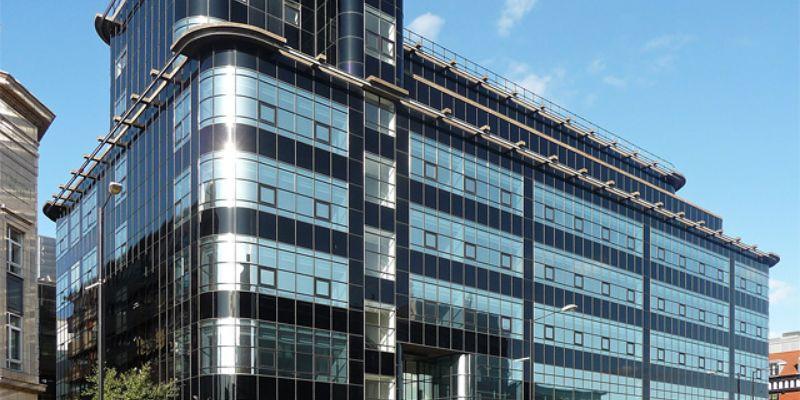
The Daily Express Building in London is a Grade II*-listed Art Deco work of art. Ellis & Clarke designed it in 1932, and Owen Williams later made changes to it. The outside has Vitrolite black glass and chrome strips that make a delicate geometric grid. The rounded sides give it a modern, streamlined appeal. Robert Atkinson designed the opulent lobby, which has steel furnishings by Betty Joel. Eric Aumonier, a sculptor, painted gold and silver murals. This building is unique because of its sleek exterior and rich interior.
Palais de Tokyo, Paris
The Palais de Tokyo in Paris was erected for the International Art and Technical Exhibition in 1937. Jean-Claude Dondel, André Aubert, Paul Viard, and Marcel Dastugue designed it. It has two wings that are connected by a colonnade. A plaza, a rectangular pool, and a fountain make it look impressive. The building's huge columns are a nod to powerful 1930s design, but the decorative friezes by Alfred Auguste Janniot make it look softer. Today, it has collections of modern and contemporary art. The Palais de Tokyo is a famous building in Paris because of its size, beauty, and creative details. It shows what France added to the Art Deco movement.
Art Deco Historic District, Miami
The Art Deco Historic District in Miami has the most Art Deco structures in the world. It has pastel-colored hotels, residences, and stores from the 1930s and 1940s in South Beach. A lot of the structures have curved corners, sunburst patterns, and embellishments that look like they sprang from the sea. Lawrence Murray Dixon was an architect who designed many famous hotels, such as the Marlin in powder blue and yellow. The area is a lively tourist attraction thanks to preservation efforts—people love its unique style, bright tropical colors, and vintage charm.
Alex Theatre, Los Angeles
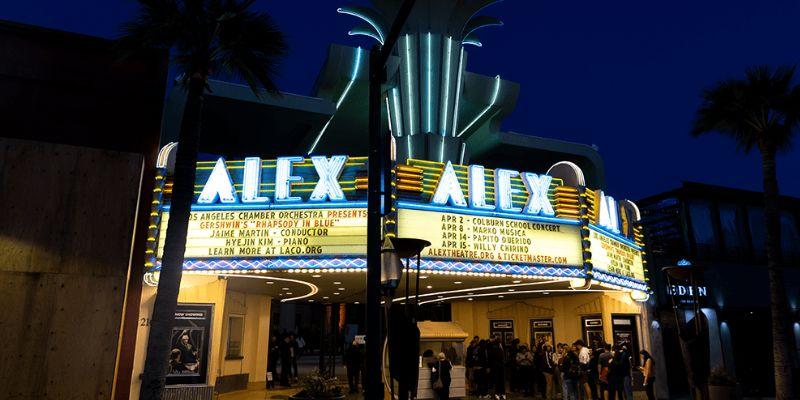
The Alex Theatre in Los Angeles debuted in 1925 as a place to see vaudeville shows and silent movies. It later became a center for the performing arts. Its grandiose Art Deco style is a nod to Hollywood's golden age. A neon-lit obelisk at the entrance lights up beautifully at night. People who come here go through a ticket counter and an open-air forecourt modeled after Grauman's Egyptian Theater. This unusual entry makes everything more dramatic and exciting. People appreciate the Alex Theatre because of its beautiful architecture and rich cultural history. It still hosts performances, which keep its historic charm.
Central Fire Station, Auckland
Auckland's Central Fire Station is a great example of streamlined modern architecture. Daniel Boys Patterson came up with the design, and it was finished in 1944. The structure has soft eau-de-nil colors, fluted columns, and zigzag patterns. The design included functional living spaces for firefighters. The station has subtle elegance, despite its practical function. The geometric front and artistic details reveal how Art Deco has affected public buildings. The Central Fire Station is still an essential part of Auckland's history.
Eltham Palace, London
Eltham Palace has beautiful Art Deco interiors and a lot of medieval history. Stephen and Virginia Courtauld repaired it in 1933. It was first erected in the 14th century. Seely & Paget, the architects, designed an expansion with a stylish, modern look. The circular entrance hall was created by Rolf Engström, who added exquisite details. The dining room door inside is black and gold and has pictures of exotic creatures, including the couple's pet lemur. Virginia's luxurious bathroom features a gold mosaic wall behind an onyx tub.
Conclusion:
Art Deco is still one of the most popular architectural styles because it combines beauty with new ideas. These amazing buildings show how creative, skilled, and daring people were back then. Every building has a story to tell about how culture, technology, and art have changed over time. Their elaborate features and spectacular shapes continue to inspire architects and fans all around the world, from tall skyscrapers to elegant theaters. It's important to protect these historic sites so that future generations can enjoy the spirit of Art Deco.