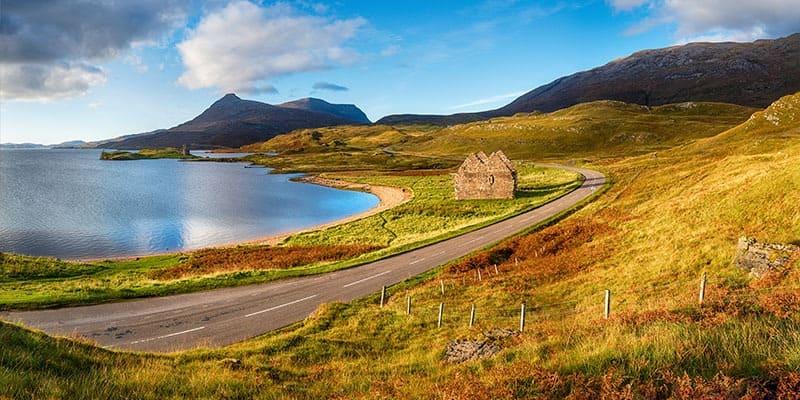
France’s network of inland waterways stretches across thousands of kilometers, offering a peaceful and scenic way to experience the country. From quiet countryside canals to tree-lined routes winding through small towns, canal travel presents an opportunity to see France from a more intimate, unhurried perspective.
For travelers who prefer a relaxed pace and value nature, privacy, and local connection, cruising France by canal is a meaningful alternative to road trips or rail tours. Without requiring prior boating experience or a license, many of these routes are beginner-friendly, making them accessible for couples, families, and small groups seeking a different kind of holiday.
Here’s how to travel through France by canal—step-by-step, with practical insights, regional highlights, and planning tips to ensure a smooth and rewarding experience.
Choosing the Right Region for Canal Cruising
France’s canal routes vary widely in scenery, local character, and level of activity. Choosing the right region depends on the type of experience a traveler is seeking.
Canal du Midi in southern France is one of the most popular choices. This UNESCO-listed route is known for its scenic charm, shaded waterways, and access to markets and small ports. It runs from Toulouse to the Mediterranean coast, passing through sunflower fields, vineyards, and picturesque villages.
Burgundy offers a more tranquil and rural feel, ideal for travelers looking for quiet landscapes and canal-side walking paths. The Canal de Bourgogne and Canal du Nivernais both pass through forested valleys, rolling hills, and small towns.
Alsace and Lorraine, in eastern France, provide a mix of waterways that blend historical architecture with forested scenery. The canals here run past timber-framed houses, lush greenery, and peaceful stretches of water bordered by walking and cycling paths.
The Loire Valley, known for its castles and gardens, also offers sections of navigable water that are less crowded, perfect for a more isolated experience in nature.
Booking a Boat and Preparing for the Journey
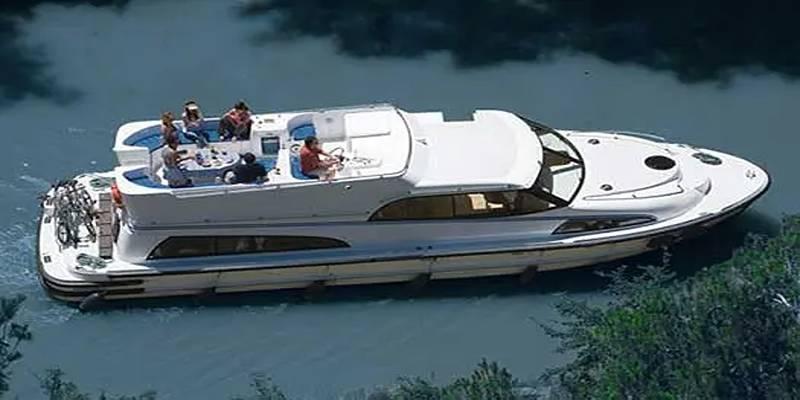
Several reputable rental companies operate in France and offer a range of boats to suit different group sizes and comfort preferences. Most boats are equipped with sleeping cabins, bathrooms, cooking facilities, and outdoor seating. Some even include sundecks, bikes, and covered dining areas.
Booking should be done in advance, especially during spring and summer when demand is highest. Rental durations usually range from 3 days to 1 or 2 weeks, depending on the route and schedule.
Before departure, travelers receive a full briefing on navigation, safety, how to pass through locks, and how to moor the boat. Maps and navigation charts are also provided to help plan stops and understand waterway rules.
Packing should include casual, weather-appropriate clothing, non-slip shoes, sun protection, and reusable bags or coolers for shopping at village markets along the way.
Navigating Locks and Waterways
Locks are a common feature of French canals. These controlled sections allow boats to ascend or descend elevation changes in the water. Many locks are automated or assisted by lock keepers, while boaters manually operate others.
Using locks requires patience, as they can add a few minutes to the journey, but they are also a highlight of canal cruising. They offer the chance to interact with other travelers, take short breaks, and enjoy views from new perspectives.
The pace of travel is deliberately slow, and there are rules in place to maintain safe distances and manage traffic at bridges, junctions, and tight turns. Travelers are encouraged to respect speed limits, moor only at designated areas, and follow the guidelines provided during orientation.
Life Onboard: Daily Routines and Canal Living
Life aboard a canal boat follows a gentle rhythm. Mornings often begin with breakfast on the deck, followed by a few hours of cruising. Midday is a good time to stop at a village for lunch, visit a market, or enjoy a walk or bike ride along towpaths.
Many towns along the canals have small shops and bakeries where travelers can buy groceries, bread, or fresh produce. Boats are equipped with kitchens, making it easy to prepare simple meals onboard. Most mooring points are located close to local amenities and walking paths.
Afternoons can be spent moving to the next town or relaxing at a peaceful mooring spot surrounded by nature. Evenings are often quiet, with time spent reading, talking, or watching the sunset from the deck.
Where to Stop: Canal Towns and Rural Charm
Part of the joy of canal travel is discovering towns and villages along the way. Each region offers different types of stopovers—some with historic centers, others with open countryside or local crafts.
In the south, places like Carcassonne, Castelnaudary, and Homps offer moorings with access to regional produce, quiet streets, and public parks. In Burgundy, towns such as Châtillon-sur-Loire or Montbard offer easy access to walking trails and canal-side cafés. Along the Alsace route, visitors may stop in Saverne or Strasbourg, where traditional architecture and pedestrian zones create a welcoming atmosphere.
Mooring is usually free at basic docking points, while towns with services may charge a small fee that includes access to power, water, and waste disposal.
Travel Tips for a Smooth Canal Experience

- Start slow: Canal travel is most enjoyable when travelers let go of tight schedules and allow the journey to unfold naturally.
- Be flexible: Weather and lock traffic can affect timing, so it's helpful to build flexibility into the itinerary.
- Use local shops: Supporting small businesses along the way adds meaning to the journey and makes meal preparation more enjoyable.
- Stay eco-conscious: Dispose of waste properly, use refillable containers, and avoid disturbing wildlife near the banks.
- Bring offline resources: Since some routes have limited mobile service, paper maps and printed confirmations are useful.
Conclusion
Exploring France by canal offers a unique travel experience—one centered around stillness, simplicity, and deep connection with the environment. Unlike fast-paced itineraries, canal cruising invites travelers to enjoy each moment: watching reflections ripple on the water, hearing birdsong at sunrise, or greeting locals at a morning market.
With a bit of planning and a willingness to slow down, this mode of travel becomes more than a method of getting from place to place—it becomes the highlight of the journey itself. For those seeking a quiet, immersive, and memorable way to discover France, its canals offer an open, inviting path.