The Stratosphere, now officially branded as The STRAT, sits in a strange limbo on the Las Vegas Strip. It is visually dominant, standing 1,149 feet tall, but geographically isolated at the far north end of the boulevard. Most tourists stare at it from the safety of the Bellagio fountains and wonder if it is worth the taxi fare. For adrenaline junkies, the answer is usually yes, but with caveats. The rides here rely on a primal fear of heights rather than intricate storytelling or animatronics. You don't go for the narrative. You go to dangle over the edge of a building while safety restraints click into place.
The Vertical Launch and the Teeter-Totter
The Big Shot is the crown of the tower. It sits on the very tip of the needle, extending the building's height to its absolute limit. This ride is a pneumatic tower. It uses compressed air to shoot twelve riders 160 feet up the mast at 45 miles per hour.
The physical sensation here is unique. Most drop towers, like the ones at Six Flags, focus on the fall. The Big Shot focuses on the launch. The acceleration generates about 4Gs of force. It compresses your spine into the seat. For a split second at the apex, you experience genuine weightlessness before the negative Gs kick in on the drop.
X-Scream offers a different kind of terror. It is essentially a massive teeter-totter. A small vehicle sits on a track that pivots vertically. The ride tilts and slides the car forward until it hangs nearly 30 feet over the edge of the tower.
The terror here comes from the sound. The track has a distinct mechanical roar as the car rolls forward. Then there is the "brake check." The car slams to a halt abruptly at the end of the rail. It feels like a mechanical failure. It is designed to feel that way. Riders in the front row look straight down at the pool deck hundreds of feet below. There is nothing between your feet and the ground but air. This ride plays on the fear of equipment failure rather than speed. It tests your trust in bolts and welding.
Spinning Over the Void on Insanity
Insanity is perhaps the most psychologically demanding of the mechanical rides. It is a massive mechanical arm that extends 64 feet over the edge of the tower. At the end of the arm is a centrifuge of open-air seats. Once the arm is in position, the ride begins to spin.
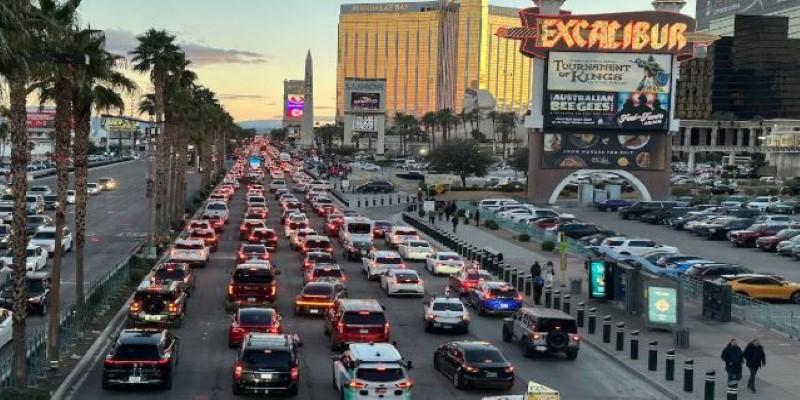
The spinning pushes the seats outward to an angle of 70 degrees. This means you are forced to look down. You cannot look at the horizon to steady your stomach. Your entire field of vision is filled with the roof of the podium and the traffic on Las Vegas Boulevard.
The wait times for Insanity can be deceptive. The cycle time is long because loading and unloading the harnesses takes minutes. Even a short line of twenty people can result in a forty-five-minute wait. The ride operators have to check every buckle manually. Standing in the wind while waiting adds to the anticipation, but it also drains your energy.
The Controlled Fall of the SkyJump
The SkyJump is the upsell. It is not included in the standard wristband packages. It holds the Guinness World Record for the highest commercial decelerator descent. Notice the word "decelerator." This is not a bungee jump. You do not bounce. You fall, and then a machine slows you down before you hit the target mat.
The logistics of the jump are a process. You have to suit up in a custom jumpsuit. You get weighed. You get briefed. It takes about 30 to 45 minutes from check-in to jump. The scariest part is not the fall. It is the "toes over" moment. You have to walk onto a small metal ledge and physically step off into nothing. The brain rebels against this. We see grown men freeze at the door. The jump masters are trained to talk you through it, but they won't push you. You have to take the step.
Wind Closures and North Strip Logistics
The biggest operational variable at The STRAT is the weather. The rides are strictly governed by wind sensors. If the sustained wind speed or gusts exceed the safety limits, the rides shut down instantly. This happens frequently in the spring and late autumn.
Nothing is more frustrating than paying for a taxi from the MGM Grand, paying the tower admission, and then finding out the Big Shot is closed. The ticket desk in the lobby usually has a digital board showing ride status. Check it before you pay. Do not assume that because it is sunny, the rides are open. It can be calm on the street and blowing a gale at 1,000 feet.
If the rides close while you are up there, they usually do not offer immediate cash refunds. They offer rain checks. This is useless if you are flying home the next morning.
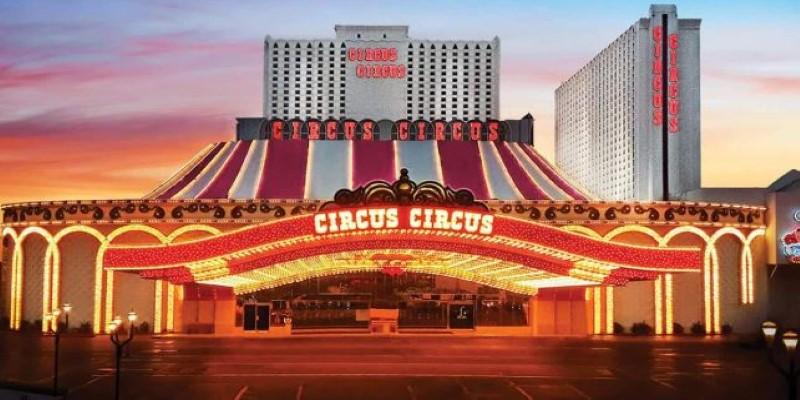
Getting to The STRAT is also a factor. Walking from the Sahara or the Circus Circus at night is not recommended. The area between the main Strip and the tower, often called the "Naked City" by locals, has improved but is still gritty. It is dark and empty. Take the Deuce bus or a rideshare. The monorail ends at the Sahara, which leaves you with a confusing walk across a massive intersection to get to the tower.
The "Unlimited Ride Pass" is usually the best economic value if you plan to do more than two rides. Individual tickets add up fast. The pass allows you to ride X-Scream three times in a row to get the perfect photo, which you will likely need since you are not allowed to hold your phone on the ride itself.
Conclusion
The thrill rides at The STRAT serve a specific purpose in the Las Vegas ecosystem. They are for the people who find the slot machines boring and the pool parties too loud. They offer a raw, physical interaction with the city skyline. It is loud, windy, and terrifying. Check the wind report before you leave your hotel, wear a jacket with a zipper, and don't eat a buffet meal before getting on the Insanity arm. If you respect the physics and the logistics, it is the best view you will ever scream at.