Buying a home involves far more than agreeing on a purchase price. At the final stage of the process, when ownership officially changes hands, you’ll encounter a group of fees known as closing costs. These charges cover the services, legal checks, and administrative work that make the transaction possible.
They usually land between 2% and 5% of the home’s price, which can translate into thousands of dollars. Both buyers and sellers contribute, but the mix of who pays what depends on state laws, lender rules, and what’s agreed during negotiations.
What Makes Up Closing Costs?
Closing costs are a collection of separate expenses, each playing a specific role in securing the sale. Understanding what’s included helps explain why the bill is larger than many buyers expect.
Loan-Related Fees
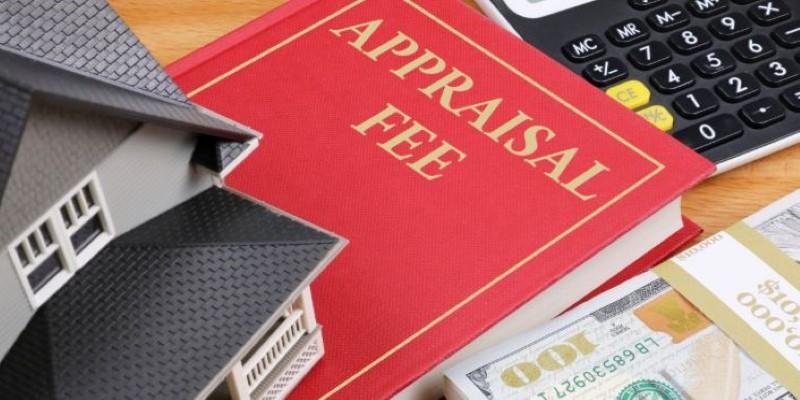
Mortgage lenders often charge an origination fee to handle the loan setup. This fee generally runs between 0.5% and 1% of the borrowed amount. Appraisal fees are another common charge, meant to confirm the property’s value matches the loan request. Lenders use the appraisal to avoid lending more than the home is worth.
Title and Legal Fees
Before a buyer receives ownership, the title must be verified. Title companies conduct a title search to confirm there are no disputes or unpaid obligations linked to the property. Title insurance is then purchased to guard against any claims missed during the search. Sellers may need to contribute to these expenses depending on state requirements and the terms of the deal.
Government Fees
Property transfers must be recorded with the local government, which comes with charges like recording fees and transfer taxes. Rates differ widely from state to state. Some areas impose significant transfer taxes, while others keep them minimal or non-existent. In many cases, notarization fees are also added to ensure documents are properly validated.
Prepaid Costs
Buyers often prepay several months of property taxes and insurance premiums. These funds are placed in escrow accounts managed by lenders to guarantee bills are paid when due. The upfront expense secures the lender’s stake in the property but also provides buyers with a clear, structured way to manage annual expenses.
Third-Party Services
Home inspections are typically the buyer’s responsibility, even if not required by lenders. These inspections reveal potential repairs and hidden issues before finalizing the sale. Costs vary but usually range from $300 to $500. Some transactions involve surveys to confirm property boundaries or courier services for document handling, adding to the total bill.
How Are Closing Costs Calculated?
Closing costs aren’t a flat fee but a combination of charges calculated in different ways. Some are percentages tied to the loan amount or property price, while others are fixed rates based on local or service provider standards.
Federal regulations require lenders to issue a Loan Estimate within days of a mortgage application. This estimate provides a breakdown of expected closing costs. Closer to the transaction date, buyers receive a Closing Disclosure with final figures. Reviewing both helps ensure there are no unexpected charges.
Lender Fees
Origination fees are calculated as a percentage of the loan. For example, borrowing $250,000 with a 1% origination fee means paying $2,500 upfront. Credit report checks and underwriting charges are usually added as flat amounts.
Title and Escrow Fees
Title insurance premiums are set according to state rate tables and the home's value. On a $350,000 property, a policy may cost around $1,000. Escrow companies also charge for managing the exchange of funds and documents, adding several hundred dollars.
Government Fees

Recording fees are standardized by counties, while transfer taxes depend on property price and local tax structures. In states with higher transfer taxes, costs can run into several thousand dollars, while in others they may be negligible.
Prepaid Items
Property taxes are calculated using local tax rates and the closing date. For example, if yearly taxes are $4,800, and the lender requires three months prepaid, the upfront payment would be $1,200. Insurance premiums follow the same pattern, often requiring several months of coverage to be paid in advance.
Together, these costs usually account for thousands of dollars. The exact figure is shaped by regional practices, lender policies, and the details of the property being purchased.
Can Closing Costs Be Reduced?
While some fees are fixed, buyers have opportunities to reduce their overall closing bill. Shopping around for lenders is one of the most effective strategies. Banks, credit unions, and online lenders often structure their charges differently, and some may waive or discount certain fees to secure new borrowers.
Optional services provide another area for savings. A home inspection is highly advisable, but buyers can sometimes choose lower-cost providers or negotiate reduced administrative fees. Title insurance rates can also differ, so checking multiple companies may lower the cost.
Negotiation is another tool. In certain situations, especially in slower markets, sellers agree to cover part of the buyer’s closing costs to help finalize the sale. These concessions can offset thousands of dollars. Some lenders offer no-closing-cost loans, rolling the fees into the loan balance. While this reduces upfront expenses, it usually means a higher interest rate over the life of the loan.
First-time buyers should also explore state or local assistance programs. Many regions offer grants or deferred loans to help with closing costs, especially for households meeting specific income limits or buying below certain price thresholds.
Conclusion
Closing costs are an unavoidable part of real estate transactions, yet many buyers underestimate their impact. These charges go well beyond the home price and monthly mortgage, covering the professional, legal, and administrative work that protects both buyer and lender. The amount depends on the property, the loan, and local regulations, but with totals often reaching several thousand dollars, being prepared makes a difference. By understanding how they are calculated, comparing lenders, and exploring negotiation or assistance programs, buyers can face this final stage of the process with more confidence and less stress.