
When you picture a vacation, you probably imagine nice weather, good food, and exploring freely without worry. But the truth is, traveling to new places comes with its own risks, and scams are near the top of that list. While many travelers assume scams only happen in certain countries or if you’re being careless, that’s not always how it works. Scams can be small, sneaky, and sometimes well-disguised behind a smile or helpful offer.
The trickiest part is that these schemes often seem harmless at first. A friendly local might try to give directions, a taxi might appear just when you need it, or someone may ask you to sign a petition in the street. These aren’t always red flags until it’s too late and your money, passport, or peace of mind is already gone. So if you're wondering what to watch out for, here’s what actually happens on the ground—and how to spot it before it costs you.
Taxi Overcharging Is Still Alive And Kicking
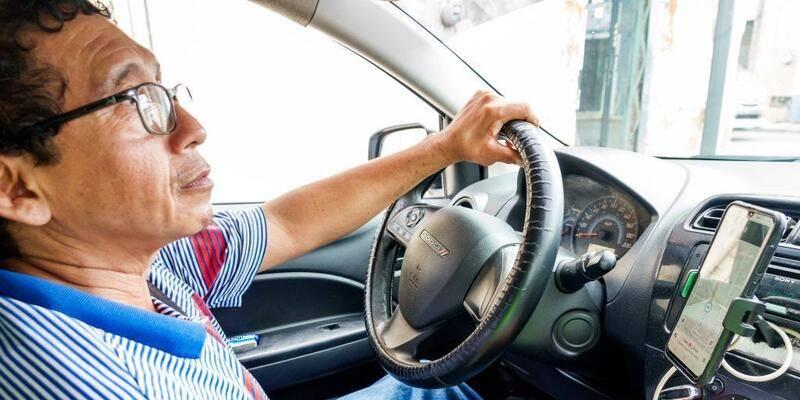
You hop off a plane, grab a taxi, and think you're in for a smooth ride. But halfway through, the meter is "broken," or the driver takes the longest route possible. This is one of the most common scams, and it plays on your unfamiliarity with the area.
The best thing you can do is agree on the fare upfront. Some taxi apps offer fixed prices and tracking, so if it’s available in that city, use it. If not, get a quote before sitting down. If the driver doesn’t give one, move on. You’re not being rude—you’re being smart.
The Classic “Your Hotel Is Closed” Trick
You show up at the airport, and a driver or someone posing as a hotel rep tells you your hotel is shut down or overbooked. They’ll suggest another place—usually more expensive or one where they get a commission.
This works because you're tired, unfamiliar with the area, and want to settle in. Always call your hotel yourself to double-check, and if you can’t reach them, head over anyway. Nine times out of ten, you’ll find everything is just fine.
“Friendship Bracelets” And Unwanted Help
In busy tourist spots, someone might try to tie a bracelet on your wrist or offer to help with directions, your bag, or even your phone. After the “favor,” they suddenly demand money or won’t leave you alone until you pay.
The best move here is to avoid contact. A polite but firm “no thank you” with no eye contact usually works. If they insist, keep walking. You don’t owe a stranger anything, even if they act kind or helpful at first.
ATM Helpers That Don’t Help
You’re trying to use an ATM, and someone nearby offers help with the machine. Sometimes they even appear official. What they’re really doing is memorizing your PIN or swapping your card.
When using ATMs, pick ones inside banks or near security cameras. Don’t let anyone hover behind you, and if someone does try to step in, cancel the transaction and walk away. Even better, use machines that let you tap your card instead of inserting it.
Rental Damage Claims That Aren’t Real
Whether it’s a scooter, bike, or even a car, some rental agencies try to charge you for damages that were already there. They’ll hold your passport or credit card until you pay.
Always take photos or videos of the vehicle from every angle before you leave the lot. Do this in front of the rental staff if possible. If they still try to claim damages, show the pictures. Don’t hand over your passport as collateral, no matter what they say. It’s better to use a copy or leave a deposit instead.
Fake Police Demanding Your ID Or Wallet
This one’s harder to spot because uniforms look official. You might be approached by someone claiming to be a police officer, asking to see your passport or wallet for inspection. Once you hand it over, your money disappears, or they demand an on-the-spot fine.
Real officers don’t usually ask tourists for ID without a reason. If they do, offer to walk with them to the nearest police station. Most scammers will back off once they know you’re not easy to trick.
The “Spilled Drink” Or “Distract and Grab” Move
Someone spills something on you, then rushes in to help clean it up. While they’re doing that, their partner quietly takes your phone, wallet, or bag. It’s slick, fast, and happens in crowded areas like stations and markets.
Don’t let anyone touch your belongings, even if they seem to be helping. Step back, check your pockets, and walk away. Most thieves work in pairs, so if one person’s distracting you, the other one is likely already working.
Fake Wi-Fi Networks That Steal Your Info
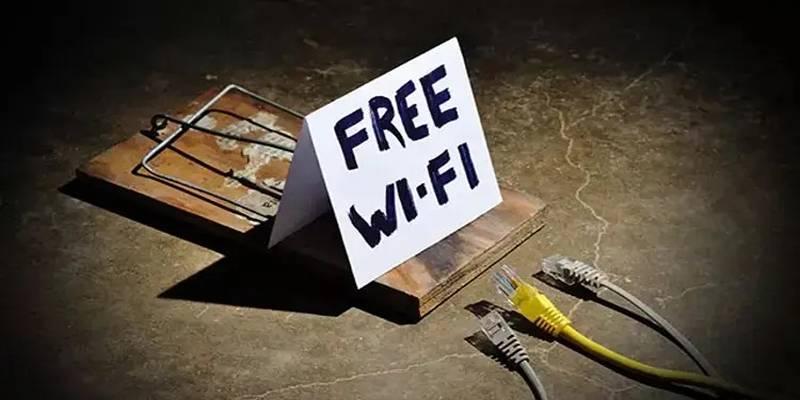
Free public Wi-Fi can be tempting, especially after a long day. But some of those open networks are traps. They might look like the airport, café, or hotel network, but they’re just decoys set up to steal your data.
If you must use public Wi-Fi, avoid logging into bank apps or entering passwords. Better yet, use a personal hotspot when traveling. It adds one more layer of protection, especially in unfamiliar spots.
Petitions, Performers, And Pickpockets
Street performers, charity collectors, or petition-holders often work in groups. While one keeps your attention, another quietly goes through your pockets or bag. These scams happen fast, and the crowd makes it harder to notice something’s missing until much later.
Watch your bags in busy areas, especially when you stop to look at something. Keeping zippers close to your body and avoiding back pockets helps. It’s not about being paranoid—it’s just smart travel.
Conclusion
Traveling should be about good memories, not bad surprises. While most people you meet on the road are genuine, it only takes one scam to ruin the trip. Spotting the warning signs early, staying alert in busy areas, and trusting your instincts go a long way. No one wants to be suspicious of everyone, but being relaxed doesn’t mean letting your guard down completely. Scammers often look for people who are distracted or rushing. So if you take your time, plan a little, and pay attention to what feels off, you’ll be way ahead of them.