The fear of falling often develops quietly. It may begin as a moment of hesitation, a brief loss of balance, or a memory of a past incident. Over time, that hesitation can turn into constant self-monitoring, reduced movement, and growing doubt about one’s physical ability. Daily activities that once felt effortless may start to feel risky, and confidence can slowly erode.
While this fear is rooted in self-protection, it does not have to control how you move through life. With the right understanding and steady, practical strategies, it is possible to rebuild trust in your body, regain confidence in movement, and restore a sense of control that feels both realistic and lasting.
Understanding What Triggers the Fear
Fear of falling rarely appears without context. It is often shaped by a combination of physical experiences, emotional memory, and environmental cues. A slippery surface, a steep staircase, or uneven ground can immediately trigger concern. Even subtle changes, such as poor lighting or unfamiliar surroundings, may increase alertness and hesitation.

Past experiences play an important role. A previous fall, near-miss, or injury can leave a strong impression, teaching the mind to anticipate danger before movement even begins. This anticipation often occurs automatically, without conscious thought, making fear feel immediate and difficult to control.
It is important to distinguish fear from healthy caution. Caution supports awareness and safety, while fear limits movement and encourages avoidance. When fear becomes dominant, it narrows choices and reduces confidence. Understanding this difference creates room for a more balanced response, allowing caution to remain while fear gradually loosens its hold.
Strengthening the Mind-Body Connection
The mind and body respond to each other continuously. When fear arises, the body often reacts first. Muscles tighten, posture becomes guarded, and breathing turns shallow. These responses are meant to protect, but they can disrupt natural balance and coordination.
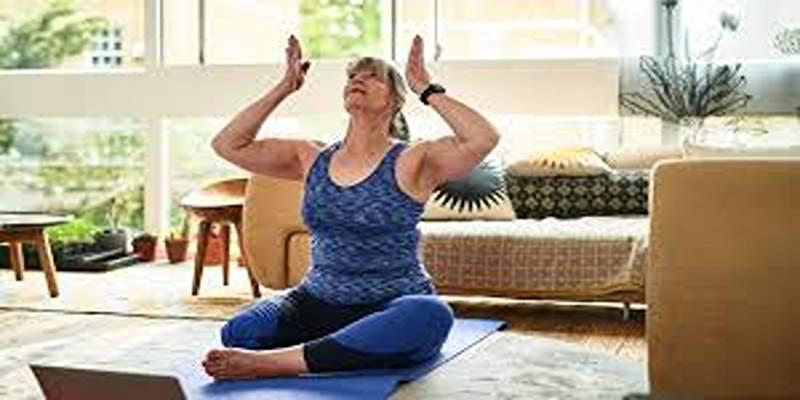
Calm, controlled breathing helps reverse this pattern. Slow inhalations followed by steady, relaxed exhalations signal safety to the nervous system. As breathing deepens, muscle tension decreases, and movement begins to feel smoother.
Posture awareness further strengthens stability. Standing upright with relaxed shoulders, evenly distributed weight, and a forward gaze creates a grounded physical stance. These subtle adjustments may seem simple, but they send powerful signals to the brain, reducing urgency and restoring confidence in movement.
Improving Balance Through Gentle, Consistent Practice
Balance is not a fixed trait; it is a skill that responds to regular use. Gentle, consistent practice allows the body to adapt without triggering stress or resistance. The goal is familiarity, not perfection.
Simple movements performed mindfully can make a meaningful difference. Slowly shifting weight from one foot to the other builds awareness of stability. Deliberate steps taken with attention to foot placement encourage coordination. Brief, supported one-leg stands help develop steadiness, while light stretching improves flexibility and reduces stiffness.
Over time, these practices strengthen stabilizing muscles and improve the body’s ability to respond to everyday changes in movement. As physical control improves, emotional tension often eases naturally, reducing the internal signals that fuel fear.
Reshaping Thought Patterns That Reinforce Fear
Fear often intensifies when the mind focuses on worst-case scenarios. Thoughts such as “I might lose balance” or “This feels unsafe” can dominate attention, even when the physical risk is low. These thought patterns amplify tension and restrict movement.
Changing internal dialogue does not mean ignoring caution. Instead, it involves guiding attention toward steadiness and control. Supportive thoughts help the mind work with the body rather than against it.
Visualization is another helpful tool. Mentally rehearsing confident movement—walking smoothly, navigating space with ease, or maintaining balance—prepares the nervous system to respond calmly. This mental preparation reduces anticipatory anxiety and makes real-world movement feel more familiar and manageable.
Creating a Physically Supportive Environment
The physical environment strongly influences how safe movement feels. Cluttered walkways, poor lighting, unstable surfaces, or poorly fitting footwear can increase mental strain and reinforce fear.
Making small, practical adjustments can significantly reduce these triggers. Keeping pathways clear, improving lighting, using stable surfaces when needed, and choosing comfortable, supportive footwear all contribute to a sense of predictability. Placing frequently used items within easy reach also minimizes unnecessary stretching or sudden movements.
When the environment feels supportive rather than challenging, the mind relaxes. This sense of security allows movement to feel more natural and reduces the constant scanning for potential danger.
Gradual Exposure to Build Real-World Confidence
Avoidance may bring short-term comfort, but it often strengthens fear over time. Gradual exposure offers a more effective path by rebuilding confidence step by step.
Beginning in familiar, controlled environments allows the body and mind to reconnect with successful movement. As comfort grows, slightly more challenging situations can be introduced at a manageable pace. Each successful experience provides evidence that movement is safe and controllable.
This gradual approach respects the body’s learning process. Confidence develops through repetition and success, not force. Over time, these experiences accumulate into a deeper sense of trust in one’s ability to move safely in diverse settings.
Developing a Personalized Lifestyle Strategy
Confidence is reinforced when supportive practices become part of daily life rather than isolated exercises. A personalized approach helps maintain progress and adapt to individual needs.

Daily balance exercises adjusted to comfort levels provide consistency. Regular breathing and posture check-ins prevent tension from accumulating. Ongoing attention to the environment ensures that movement remains supported. Brief reflections on progress help identify improvements and address challenges early.
These habits create a steady rhythm that supports long-term confidence. Instead of relying on motivation alone, they build structure and predictability, making confident movement a natural part of everyday life.
Conclusion
The fear of falling can feel restrictive, but it does not have to define how you move or live. By understanding its triggers, strengthening balance, reshaping thought patterns, and creating supportive environments, confidence can be rebuilt gradually and sustainably.
Each calm breath, each deliberate step, and each moment of successful movement reinforces stability and trust. Progress may be steady rather than immediate, but every improvement matters. With patience and consistent practice, it is possible to regain control, move with confidence, and navigate daily life with greater ease and assurance.