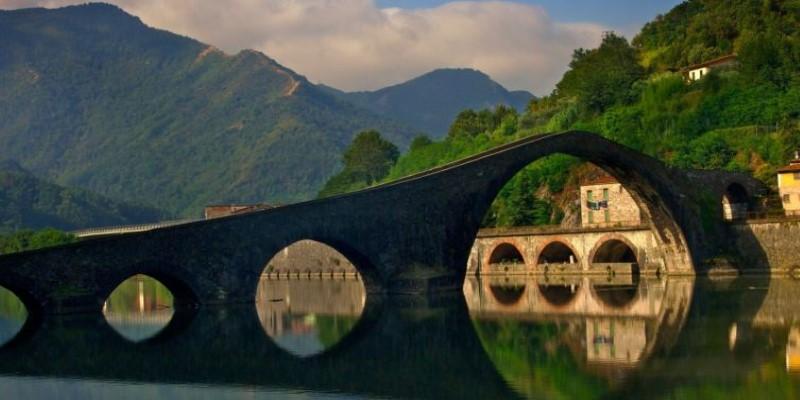
Borgo a Mozzano is a short drive from Lucca, and the Devil's Bridge sits where a narrow lane meets a deep bend in the river. People stop here because the bridge looks improbable, like something dropped into the valley and left to hold. That visual shock is real, but the practical side decides whether the visit feels easy or fiddly. Small decisions about parking, timing, and footwear shape the whole stop.
Getting There, Parking And Last-Mile Quirks
Drive from Lucca and you control the last mile, yet the nearest public car park is compact. On busy weekends it fills early, which forces drivers into short loops looking for space. In a realistic case, a pair leaving Lucca for a mid-morning stop can spend twenty minutes circling, and that time compresses the rest of the day. To avoid the loop, agents book B&Bs that guarantee parking, or advise parking in town and walking five minutes to the bridge. Walking in from a nearby lot slows the group down in a useful way, you notice small details, and you save time later.
Public buses run, but timetables are limited outside key windows. A traveler relying on a single afternoon bus back often finds service gaps. The easy workaround is to pre-save local taxi numbers or book a return taxi ahead. For small groups, operators sometimes reserve a shuttle for peak arrival blocks to avoid a single-point failure that can cascade into missed trains or dinners. Mapping apps help, but in weak signal zones pre-loading an offline route is a small, effective habit.
A typical operational note from local operators: keep a short list of taxi drivers and note which ones know the narrow lanes well. When a coach drops a group, those drivers often scout for longer-term parking and return with a car; that can take twenty to forty minutes during busy windows. For small operators the fix is simple, reserve a shuttle for the peak block and free the itinerary from single-point failure. Booking managers also record average wait times for services like taxis and buses, then bake them into daily schedules so guests have realistic expectations. Price-watching matters. Rooms near Lucca rise in summer and around local festivals. Agents set alerts for target hotels and book when a reasonable rate appears. This lowers the chance of last-minute purchases at premium prices.
Safety, Surface And What To Plan For On Site
The bridge is old and narrow. The stone underfoot is uneven and the railings vary in height. That matters if someone in the group has limited mobility, or if small children are present. A simple planning move is to schedule the stop early in an itinerary, when energy and focus are higher. After rain the paths get slick; locals often wear shoes with decent grip. Night visits are possible but lighting is inconsistent; avoid relying on dusk shots unless someone in the group is steady on uneven ground. Practical signs help but are not always in English, so save a screenshot of the route and the meeting point before you set off.
For groups, a quick safety brief while still in the vehicle—point out edges, set a meeting spot, estimate five to ten minutes at the site—keeps everyone aligned. That prevents wander-offs that eat time. If a traveler has reduced mobility, arranging a driver to drop closer to level ground is worth the extra cost; it removes repeated strain and keeps the day smooth.
Timing, Crowds And Photo Windows
Photographers often rise early for dawn shots; the light is cool and the stone reads clearly with few people around. Late afternoon brings warmer tones but also more visitors. A useful tactic is to split visits: a short morning look and a relaxed stroll later, or plan the bridge as part of a half-day from Lucca. Local festivals and market days change foot traffic quickly. Travel planners check event calendars and swap the stop with nearby towns when spikes are expected. If you are self-guided, add a buffer for parking and a fallback plan like a local café for a quick coffee while traffic eases.
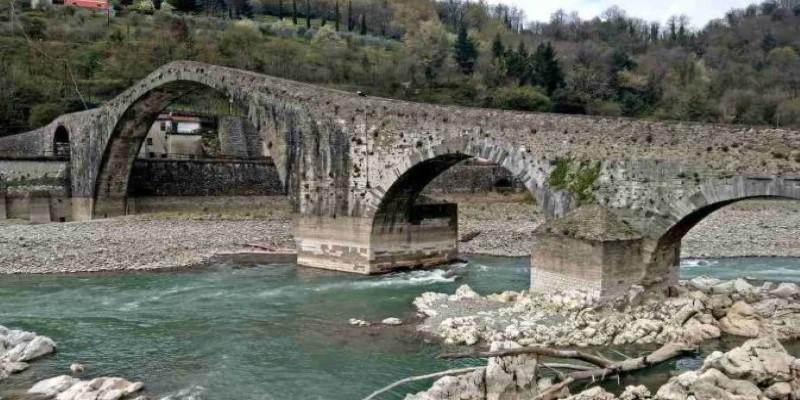
Photographers also note that the best angles sometimes require stepping slightly away from the main lane. Stepping aside reduces crowding and invites a cleaner frame, while also avoiding blocking narrow paths for others. Flexibility in timing is more useful than perfect positioning; small shifts of an hour often yield much better photos with less hassle.
Consider a midweek example: a family leaves Lucca at 10 am, arrives around 10:30, finds the car park full, decides to walk five minutes, takes photos, and finds a small trattoria open for a late lunch. They relax, take their time, and return to Lucca without chasing the schedule. That simple alternative saved them an hour of stress and kept the rest of their day intact. Contrast that with a tight plan where a morning museum is booked for 11:00, the bridge stop was meant to be at 10:00, and the delay cascades into a missed entry time. Travel pros avoid that by building small buffers into itineraries. Buffers are not wasted time; they absorb hiccups in transport, weather, or small group decisions.
Meals, Mobility And Seasonal Trade-Offs
The cafés near the bridge are small and fill fast at lunch. Small groups often benefit from having a backup restaurant pre-saved or booking ahead. Mobility matters: cobbles and short flights of steps are common, and certain viewpoints require uphill walking. For travelers with mobility needs, arranging a private drop-off close to level ground is often the simplest solution. Those small adjustments remove most of the friction in a half-day visit.
Seasonal trade-offs are real. Summer brings higher accommodation costs and crowded days; spring and autumn offer better availability and milder light. Winter is quiet, but daylight shortens and some services reduce hours. Agents set price alerts for nearby stays and book when acceptable rates appear, because last-minute shortages in high season push costs up fast. For travelers connecting onward to Pisa or Florence, think about luggage: use hotel hold services or arrange a driver to carry bags for the short stop. These small operational moves keep the visit light.
Is It Worth It?
Small practical steps remove most friction. Pack shoes with grip, a compact rain layer, a charged phone with offline maps, and saved local taxi numbers. Confirm transfers and dinner bookings the day before; these confirmations stop simple things from becoming big delays. If traveling with a group, pick a clear meeting point and a five to ten minute buffer to absorb small hold-ups. The bridge gives a memorable image, but the actual memory depends on how well you managed the details around it. Handle the practical parts and the moment at the bridge becomes calm, not frantic. You get the photo and the quiet pause, and you move on with the day still in control.