Driving after dark poses unique challenges. Reduced visibility, headlight glare from oncoming traffic, and eye fatigue all contribute to a more demanding driving experience. For years, night driving glasses have been marketed as a solution to these problems, promising sharper vision and reduced glare. But the big question is—do they actually work, or are they just another driving accessory with more hype than substance?
This post dives deep into what night driving glasses are, how they claim to function, the science behind them, and whether they’re worth considering for your nighttime journeys.
What You Need to Know About Night Driving Glasses?
Typically, over-the-counter eyeglasses with amber or yellow tints are used for night driving. They are often sold as tools for improving clarity, contrast, and comfort during nighttime driving.
The tint is said to filter out specific wavelengths of light, reducing glare from headlights, streetlights, and illuminated road signs. Some models are polarized, aiming to further cut down on reflective glare from wet roads or glass surfaces.
They are available in many styles, ranging from clip-ons for glasses to full-frame designs. Prices vary widely, and marketing claims often suggest significant visual improvement.
Why Night Driving Is Difficult?
Before evaluating these glasses, it’s important to understand the challenges of night driving:
- Reduced Visual Acuity: At Night, human eyes rely more on rod cells, which detect light but not color. This limits detail perception. As a result, small objects, road signs, or pedestrians can be harder to spot until you’re much closer.
- Increased Glare Sensitivity: Bright lights in a dark environment cause the pupils to constrict, leading to momentary blindness when transitioning between light and dark. This sudden vision change can make it difficult to maintain a steady view of the Road.
- Slower Reaction Time: Lower visibility conditions can increase the time it takes to detect and respond to hazards. Even a one-second delay can significantly increase stopping distance and accident risk.
- Eye Fatigue: Continuous adjustments between bright and dark scenes can tire the eyes, reducing overall focus. Prolonged eye strain can also lead to headaches, making Night driving even more challenging.
These factors mean that any accessory claiming to enhance visibility at Night should offer real, measurable benefits.
What Research Says?
Independent research has tested Night driving glasses to determine if they truly improve night vision or driving Safety. The results are mixed.
- Glare Reduction: The yellow tint can indeed filter out some blue light, which is a major component of glare. However, glare from headlights is not solely due to blue light—it’s also an effect of overall brightness. Filtering light reduces overall illumination, which might actually make it harder to see in very low-light conditions.
- Contrast Enhancement: In daylight or bright overcast conditions, yellow lenses can improve contrast perception. But at Night, the already limited amount of available light means that any tint slightly reduces what reaches the retina, which can counteract potential benefits.
- Visual Acuity: Studies generally find no significant improvement in nighttime driving performance when using tinted glasses compared to clear lenses. In some cases, there is a slight decrease in visual acuity due to reduced light transmission.
It doesn’t necessarily mean they’re useless—it just means their benefits may be more psychological than physical.
Potential Benefits
Despite the lack of conclusive scientific support, some drivers report subjective improvements when using night driving glasses. Potential advantages include:
- Perceived Comfort: Even if actual visual acuity doesn’t improve, the reduced blue light may feel more comfortable to the eyes, making driving less stressful.
- Reduced Distraction from Glare: The tint can make oncoming headlights seem less intense, which some people find less irritating.
- Better in Certain Conditions: In well-lit areas or during twilight, they might enhance perceived contrast without overly dimming the view.
It’s worth noting that individual results vary. What feels beneficial to one driver might make little difference to another.
Possible Downsides
While night driving glasses are generally safe, there are a few drawbacks to consider:
- Reduced Light Transmission: At Night, every bit of light counts. Any tinted lens, no matter how mild, slightly reduces the light that reaches your eyes.
- False Sense of Security: Believing your vision is improved could lead to overconfidence, which might actually increase risk.
- Not a Substitute for Proper Eye Care: Poor night vision can be caused by uncorrected refractive errors, cataracts, or other eye conditions that need medical attention.
If you notice significant trouble seeing at Night, an eye exam is far more important than buying tinted lenses.
Alternatives to Night Driving Glasses
For those struggling with nighttime visibility, there are evidence-backed options:
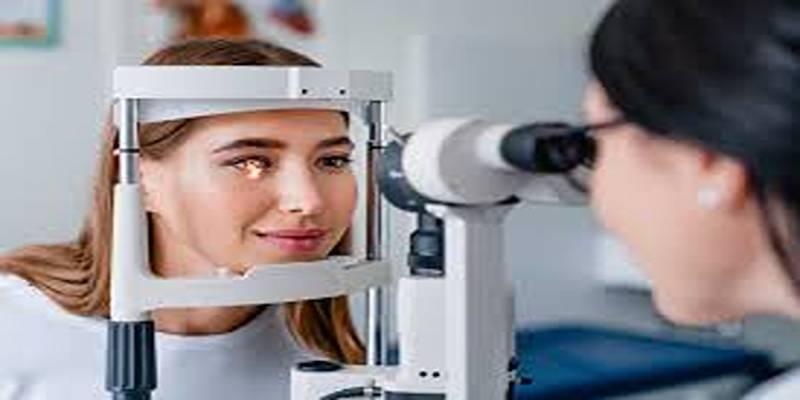
- Regular Eye Exams: Ensure your treatment is up to date and check for conditions that affect night vision. Early detection of vision problems can prevent accidents and improve overall driving safety.
- Anti-Reflective (AR) Coatings: Lenses with AR coatings can reduce glare without filtering out light. It allows maximum light transmission while keeping bright reflections under control.
- Clean Windshield and Headlights: Dirt and grime can scatter light, amplifying glare. A clear surface ensures you get the sharpest possible view of the Road.
- Proper Headlight Alignment: Misaligned headlights can cause both poor road illumination and glare for other drivers.
These measures can have a more substantial impact than tinted driving glasses.
Conclusion
Night driving glasses are not a miracle fix for the challenges of driving after dark. Scientific studies suggest they offer minimal objective improvement in visibility, and in some cases, they may slightly reduce it. However, for certain drivers, they can provide a perceived comfort benefit that makes nighttime driving less stressful.
If you choose to try them, make sure they are high-quality, fit comfortably, and have minimal tint to avoid excessive light loss. Most importantly, don’t rely solely on them—maintaining good eye health, keeping your vehicle in top condition, and practicing safe driving habits are the most effective ways to stay safe at Night.