
The Scottish Highlands stretch across northern and western Scotland as a region defined by distance, weather, and scale rather than density or spectacle. Mountains rise abruptly from wide glens, lochs carve deep lines through the land, and coastlines open toward vast stretches of sea. The environment feels dramatic without feeling staged, operating on its own terms and resisting quick interpretation.
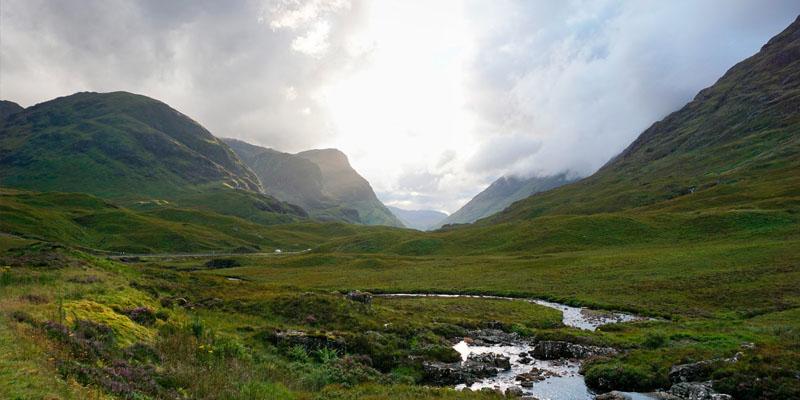
Visiting the Scottish Highlands often alters expectations early in the journey. Travel responds to light, road conditions, and changing skies rather than fixed schedules. Roads curve with the land, views open gradually, and moments of stillness appear without warning. The experience rewards patience, observation, and a willingness to let plans adapt, making the journey itself as meaningful as any destination.
Rather than delivering constant visual intensity, the Highlands reveal themselves slowly. Space plays a central role, encouraging travelers to notice weather shifts, sound, and movement through the landscape. This sense of scale creates a grounding effect that lingers long after leaving the region.
How History And Geography Intertwine
The Highlands carry a layered past that remains visible across the landscape. Clan territories, historic conflicts, and long periods of isolation shaped settlement patterns and cultural identity over centuries. Events such as the Jacobite uprisings and the Highland Clearances left permanent marks, still evident in abandoned villages, stone ruins, and place names scattered throughout the region.
Geography influenced how communities developed and interacted. Mountains and lochs created natural boundaries, while coastal access shaped trade and migration. Even today, history feels present not as a series of exhibits but as part of the terrain itself.
Gaelic heritage continues to influence daily life in many areas, especially outside larger towns. Music, language, and storytelling remain active expressions of identity rather than preserved traditions. This continuity gives the Highlands a cultural depth that feels authentic and grounded in place.
Where First-Time Visitors Tend To Focus
Certain locations naturally draw attention when considering places to visit in the Scottish Highlands. Glencoe stands out for its steep mountain walls, wide valleys, and changing light, offering scenery that carries both physical grandeur and historical gravity. Even brief stops reveal how landscape and memory intersect, shaping the emotional tone of the area.
Loch Ness attracts visitors with its scale and long-standing folklore, but its appeal extends beyond legend. Quiet shoreline walks, shifting reflections, and nearby historic ruins create a calm experience that contrasts with its reputation. Inverness, close by, works well as a base, combining transport connections with access to surrounding countryside.
The Isle of Skye often becomes a defining highlight of a Highlands trip. Its cliffs, rock formations, and mountain ridges change rapidly with weather, creating a sense of constant motion. While popular sites receive steady attention, quieter areas reward those willing to explore side roads and coastal paths.
More remote regions such as Assynt and the far northwest coast deliver a stronger sense of isolation. Coastal routes near Applecross combine narrow roads with wide views across sea and land, reinforcing the Highlands’ relationship with openness and scale.
Routes That Shape The Journey
Driving plays a central role in many Highlands itineraries. Roads follow natural contours rather than straight lines, turning travel itself into a visual and reflective experience. A Scottish Highlands road trip is shaped as much by route choice as by destination.
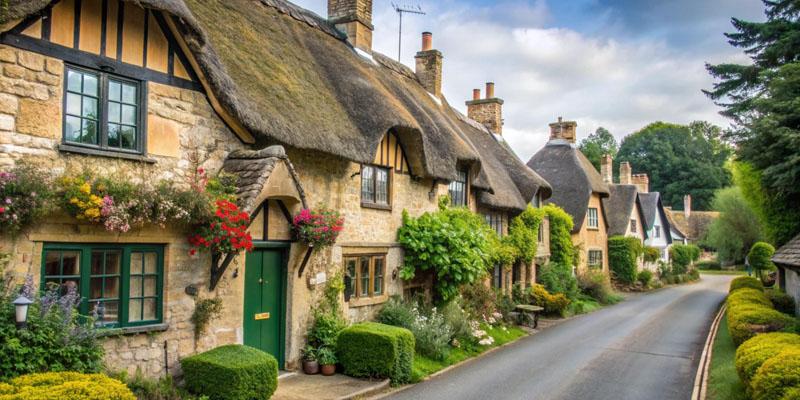
The North Coast 500 forms a broad loop around Scotland’s northern edge, linking beaches, headlands, and small fishing villages. While well known, it still offers long stretches of open road that feel expansive and unhurried. Inland routes through Glenfinnan or between Fort William and Skye balance scenery with historical landmarks, allowing natural pauses along the way.
Mountain passes such as the Bealach na Bà demand careful driving, especially in changing weather, but reward effort with wide, uninterrupted views. Single-track roads appear frequently in rural areas, requiring patience, attention, and familiarity with passing places. These routes often lead to the most memorable locations.
How The Highlands Reveal Themselves
Rather than presenting isolated highlights, the Highlands unfold through repetition, rhythm, and gradual familiarity. Similar elements appear again and again, shaping understanding over time rather than delivering immediate impact.
Gathering Places Rooted In History
Villages, crossroads, and historic sites act as quiet meeting points where local routines intersect with the past. Castles, bridges, and roadside ruins appear without ceremony, reinforcing how history remains part of everyday surroundings rather than confined to specific attractions.
Landscapes Experienced In Motion
The Highlands are best understood while moving through them. Light shifts quickly, weather alters color and texture, and valleys open and close with each turn in the road. Time spent traveling becomes central to how the landscape is absorbed and remembered.
Communities Connected By Roads
Despite low population density, settlements remain connected through purposeful routes. Ferries, mountain roads, and coastal paths link villages without crowding, creating a sense of continuity rather than isolation.
Public Space And Open Land
Open land functions as shared space across the Highlands. Beaches, hills, and loch shores remain accessible, encouraging walking, pausing, and quiet observation. Outdoor settings feel integrated into daily habits rather than reserved for special occasions.
Evenings Shaped By Environment
As daylight fades, activity becomes more inward and reflective. Evenings often center around accommodation, local pubs, or shared meals, reinforcing the region’s slower pace and connection to natural cycles.
Practical Considerations For Planning
First-time visitors benefit from a few practical Scotland travel tips that apply specifically to the Highlands. Weather can change quickly, making layered clothing and waterproof gear important throughout the year. Conditions that appear stable in the morning may shift entirely by afternoon.
Fuel stations, shops, and services become sparse in remote areas, so advance planning reduces stress and interruptions. Carrying water, snacks, and offline navigation options proves useful when mobile signal drops, which happens frequently outside towns.
Single-track roads require awareness and courtesy, particularly during busier months. Understanding passing place etiquette helps maintain smooth movement for everyone. Public transport exists but limits flexibility outside major centers, making driving or guided tours preferable for wider exploration.
Timing Your Visit
Season strongly affects how the Highlands feel and function. Late spring and early autumn often provide balanced conditions, combining longer daylight with manageable visitor numbers. Summer brings extended evenings and active wildlife, alongside increased traffic on popular routes.
Winter transforms the region into a quieter, more dramatic environment. Snow, frost, and shorter daylight hours create striking visuals but require careful planning and realistic expectations. Each season highlights different textures in the landscape, from blooming heather to autumn color across hills and forests.
Conclusion
The Scottish Highlands leave a lasting impression through contrast rather than constant intensity. Silence follows wind, roads open into emptiness, and history appears without announcement. Movement through the landscape becomes reflective, allowing space for thought and attention.
For many travelers, visiting the Scottish Highlands reshapes how distance, time, and place are understood. With realistic pacing and thoughtful planning, the region offers an experience that feels grounded, expansive, and deeply memorable, long after the journey ends.