
Emphysema is a long-term lung disease that damages the lungs’ internal air sacs. As these sacs degrade, breathing becomes challenging. Other triggers may also be involved. Being aware of the causes of lung emphysema promotes better care and early prevention. Symptoms often don’t appear until significant lung damage has occurred. Simple activities like walking and climbing stairs become difficult over time.
Additionally, the emphysema risk factors differ according to age, lifestyle, and exposure to toxins. Irreversible complications may result from the damage if treatment is not received. The secret to controlling your health and preventing serious consequences is being aware of the long-term emphysema complications.

Common Causes of Lung Emphysema
Another factor is air pollution, particularly in densely populated cities with high traffic volumes. The causes of lung emphysema can also be triggered by chemicals such as dust and fumes from factories.
Even normal people can develop emphysema due to a rare genetic disorder known as Alpha-1 antitrypsin deficiency. The illness is frequently accompanied and exacerbated by infections such as chronic bronchitis. Lung irritant exposure is higher for those employed in manufacturing, construction, and mining. The issue may be exacerbated by poor indoor air quality caused by biomass fuel. Over time, each cause raises the chance of long-term lung damage and breathing problems.
Key Risk Factors for Emphysema Progression
Age, and exposure to the environment are the biggest risk factors for emphysema. Although damage begins earlier, most patients are diagnosed after the age of 40. Exposure to secondhand also raises risk, particularly for children. Lung health is harmed by the daily exposure to toxic air that residents of polluted cities endure. Additional risk is increased by jobs that expose employees to gases, dust, or chemical fumes.
Symptoms may appear more quickly in people with weakened immune systems or a history of respiratory infections. Alpha-1 antitrypsin deficiency runs in families, so genetics also plays a part. Emphysema may also develop more quickly in people who have asthma or chronic bronchitis. Using indoor cooking methods or living in an environment with inadequate ventilation can make the situation worse. Over time, each factor contributes to the deterioration of lung function.
Environmental and Occupational Triggers
Over time, environmental triggers are a major factor in lung damage. Air pollution is a serious problem, particularly in industrial areas and congested cities. Daily exposure to harmful air causes lung damage over time. Workers in factories and construction sites are exposed to hazardous gases, dust, and chemicals daily. These workers may be more susceptible to long-term emphysema complications than others.
Additionally hazardous are homes with inadequate ventilation. One known trigger is cooking indoors with coal or wood. Sensitive lungs are also harmed by prolonged exposure to mold or dust mites. Workers in agriculture who are exposed to fertilizers and pesticides may be at similar risk. Irritation can even result from indoor products like air fresheners or sprays. These chemicals are difficult for the body to filter, and prolonged exposure causes further stress.
Long-Term Complications of Emphysema
If left untreated, emphysema can cause several severe and long-lasting health issues. Chronic dyspnea and diminished lung function are the most prevalent long-term emphysema complications. Simple tasks are difficult for people to finish without getting tired. In more advanced stages, oxygen therapy might be required. Additionally, some patients experience cardiac issues, particularly on the right side. Lung pressure causes this condition, which is called cor pulmonale.
A weak immune defence also contributes to the prevalence of frequent lung infections, such as pneumonia. As air sacs rupture, the chance of lung collapse (pneumothorax) rises. People frequently experience both muscle weakness and weight loss. Brain function is impacted by reduced oxygen flow, which can cause confusion or poor memory. Lifestyle changes can also lead to emotional problems like depression and anxiety. Every complication makes life much more difficult.
How Genetics Influence Emphysema Development
Particularly in younger individuals, genetics may be a hidden contributing factor to the development of emphysema. Alpha-1 antitrypsin deficiency is an uncommon disorder that prevents the lungs from healing. Early-onset lung disease is frequently the result of this hereditary condition. A protein that shields lung tissue from harm is absent from the body. Without it, inflammation following minor infections or irritants goes unchecked.
The gene is more likely to be present in children of afflicted parents. Before symptoms show up, genetic testing can help determine the risk. Even though they have the gene, some people never show any symptoms. Environmental factors and lifestyle choices continue to contribute to the development of disease in these people. Early medical support, lifelong monitoring, and specialized care are necessary for the treatment of genetic forms of emphysema.
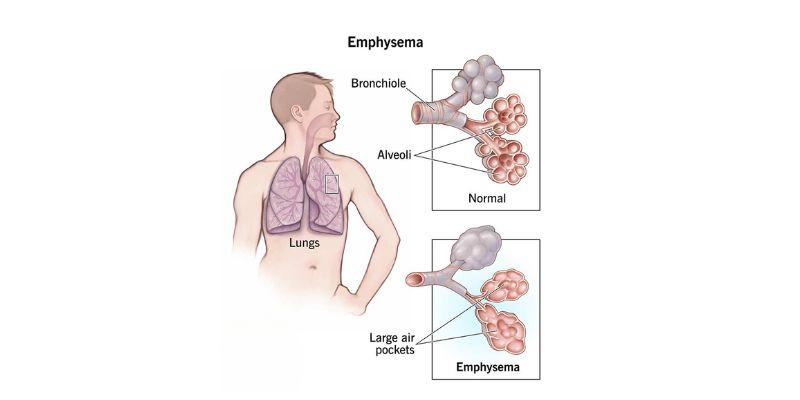
Emphysema: Why It’s the Main Culprit
The air sacs lose their elasticity with each cigarette. The lungs eventually lose their ability to expel old air and absorb new oxygen. The risk factors for emphysema worsen over time.
Normal people are also harmed by it, particularly young people and older people. Hazardous substances are released by pipes, cigars, and even e-cigarettes. After the damage reaches a certain point, the lungs are unable to recover. The people who have a family history of lung disease are particularly vulnerable. The best defenses against long-term lung damage are avoiding that environments.
Conclusion:
Emphysema is a dangerous illness that affects daily life and lung function for a long time. Genetics, and pollution are the causes of lung emphysema. Better results and faster control are possible when the risk factors for emphysema are identified early. Numerous people experience long-term emphysema complications that impair their quality of life. It is possible to lessen damage and prolong physical activity with the right lifestyle modifications and medical attention. When it comes to symptom management, early intervention is crucial. To avoid major issues tomorrow, protect your lungs today.