
Market volatility can trigger strong emotional reactions in even the calmest investors. One day, the market jumps; the next, it plunges. These unpredictable moves often stir up fear or overconfidence, leading to rushed decisions. The urge to act quickly—sell in a panic or buy in excitement—can derail long-term goals.
Learning to step back and respond with a clear head is what often separates good outcomes from bad. Emotions are normal, but how we handle them can define our investing journey, especially during periods of market uncertainty.
How Emotions Drive Poor Decisions?
Money stirs emotion. When markets drop, fear takes over—fear of losing years of savings or not meeting retirement goals. That fear leads many to sell at the worst possible time. During rallies, the opposite emotion—greed—often kicks in, prompting people to buy at inflated prices. These swings in investor behavior are natural, but not helpful.
Most believe they’re thinking logically, but short-term market noise can cloud judgment. The constant stream of headlines, opinions, and predictions often exaggerates risk and opportunity. Investors may react without understanding the broader context, thinking short-term moves reflect long-term trends.
A common trap is trying to time the market. It feels like action, but it's often a reaction. Selling after a drop and reentering after a rebound can lead to repeated losses. Instead of steady gains, this pattern creates whiplash. Emotional choices often break the basic rule of investing: buy low, sell high. And yet, in volatile markets, that rule is hard to follow without emotional discipline.
When fear or greed takes control, long-term plans are forgotten. But markets are rarely linear. They correct, recover, and continue moving. Knowing this, but still reacting emotionally, is what causes many investors to underperform their own investments.
Understanding Market Volatility and Its Role
Market volatility refers to the speed and extent of price swings in the market. It reflects changes in the economy, interest rates, politics, and global events. But volatility doesn’t always mean danger. It can also signal transition, repricing, or temporary panic. It's not new—and it isn’t going away.
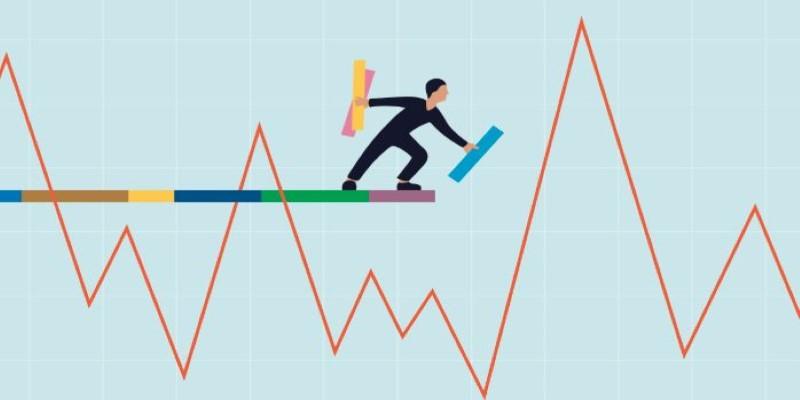
The problem isn’t volatility itself, but how we react to it. When prices drop, many feel they must act. But a sudden loss on paper isn’t a realized loss unless it’s sold. Most portfolios, when built with a long-term view, can withstand rough periods. Often, the best move is to stay put.
Volatility is part of the market’s natural rhythm. It has existed through wars, recessions, and global shocks. Despite it all, markets have grown over time. Investors who hold through the noise often come out ahead, while those who make emotional moves may miss rebounds. History has shown that missing just a few of the best days in the market can significantly reduce long-term returns.
Keeping perspective is key. A dip today may feel large, but in the context of decades of investing, it becomes a blip. Market swings don’t erase fundamentals or change long-term goals. Staying grounded during these periods helps preserve gains and avoid avoidable losses.
Strategies to Manage Emotions During Volatile Markets
To limit emotional decisions, preparation matters. A solid plan built around your time horizon and comfort with risk creates stability. If you’re panicking during dips, your plan might not match your risk tolerance. It’s better to adjust a strategy when calm than during chaos.
Checking your portfolio too often invites stress. During volatile periods, values may swing wildly day to day. But long-term growth doesn’t depend on daily moves. Limiting how often you check balances helps reduce anxiety and keeps focus on your goals, not market noise.
Think in decades, not days. Short-term volatility doesn’t usually change long-term returns. Staying invested gives your portfolio time to recover and grow. Jumping in and out interrupts compounding and increases the chance of missing gains.
Automated investing—such as recurring contributions—helps remove emotion from decisions. It keeps you consistent, whether markets are up or down. Buying through all market conditions smooths the ride over time and supports steady growth.
It’s helpful to write down why you invested in certain assets. Revisiting that logic during shaky periods can remind you that nothing fundamental has changed. Investing based on long-term conviction rather than short-term headlines helps resist emotional pulls.
Be selective with news. Not all information is helpful, and some is designed to provoke urgency. Avoid sources that feed panic or hype. Look for clear, balanced perspectives that focus on long-term investing rather than daily speculation.
The Long-Term Value of Staying Emotionally Balanced
Investors who stay calm during periods of market volatility tend to make better decisions. Not because they have perfect timing, but because they avoid mistakes driven by emotion. Emotional steadiness doesn’t mean ignoring the market—it means pausing before reacting to it.

Investor behavior plays a larger role in returns than many realize. Two people with the same portfolio can end up with very different results depending on how they react to volatility. The one who stays the course often sees better outcomes simply by avoiding panic-driven moves.
Staying emotionally balanced helps investors stick to their plan through the highs and lows. It prevents selling during drops and buying during peaks—mistakes that erode wealth. Volatility doesn’t destroy value on its own. But emotional reactions can.
Even professional investors face the same challenges. The difference is that they use systems to manage their reactions—such as rules, routines, and external checks. Individual investors can use these tools too. That might mean using automatic contributions, having a financial advisor, or setting limits on how often you check the market.
Being emotionally steady doesn't mean being cold or detached. It means being clear-eyed about what matters. The ability to stay focused during choppy periods is a quiet advantage. It allows investors to keep growing when others are stepping back, or worse, locking in losses.
Conclusion
Market volatility is inevitable, but emotional overreactions often cause greater harm than the swings themselves. Fear and greed push investors toward rash choices, while disciplined investor behavior helps prevent costly mistakes. Staying focused on long-term goals, avoiding emotional triggers, and maintaining consistent habits are key. Calm doesn’t mean inaction—it means thoughtful decisions made without panic. Patience and emotional balance provide more lasting results than chasing short-term gains.