High altitude trips can be an unbelievable experience and the scenery and cultural experiences are remarkable and astonishing. It is important to be ready, in advance, to avoid endangering and have a good time. Below are detailed suggestions on how to keep healthy and enjoy your high-altitude adventure to the fullest.
Understand the Effects of Altitude
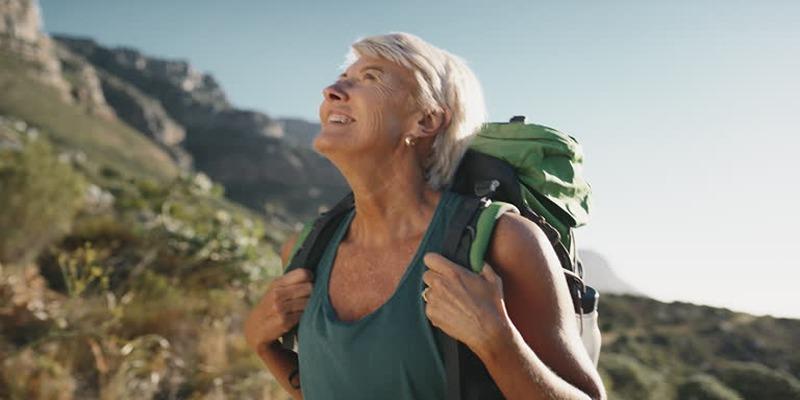
Since elevation reduces the oxygen content of air, over time one can experience altitude sickness, or Acute Mountain Sickness (AMS). They can include headaches, nausea, breathlessness, fatigue and dizziness. The body lacks capability to absorb oxygen as much as the fittest person.
The degree of sympathies is different based on how high the location is, how fast one is ascending the mountain, and how sensitive they are to the change in altitude. Acclimatization is very vital and your body will adapt to the reduced oxygen levels. We should also check on each other and the other passengers on any signs of extreme altitude sickness, which could need some urgent treatment. The management of these effects is highly dependent on awareness and preparation.
Prepare Physically in Advance
Exercising before ascending to high altitudes zones will go a long way to enable you to adapt to the lower oxygen levels. When you condition your heart and lungs through regular aerobic sessions such as running, cycling, or swimming, you increase the stamina of your cardiovascular system and you can more easily get used to working with less oxygen.
Strength training can do good too especially activity and stamina activity (where muscle needs to be in shape) such as trekking or climbing. Breathing exercises are used to enhance the capacity of the lungs and general oxygen efficiency. If it is possible, your body gets used to changing the altitude with gradual exposure.
Acclimatize Gradually
One of the best methods of avoiding altitude sickness relates to gradual acclimatization. Rather than reaching your ultimate height within a short time, work out gradual steps on raising height. In theory, one day or two of rest at a medium level and then ascend to higher levels. To each 1,000 feet (about 300 meters) you gain above 8,000 feet (2,500 meters), the recommendation is one additional day of acclimatization.
When climbing mountains or walking, but the principle of climbing high and sleeping low. This involves climbing to some altitude in the daytime but going back to a lower altitude to sleep so that your body can have more time to adapt to the lower oxygen levels.
Stay Hydrated and Eat Well
Hydration is extremely important in terms of accustoming your body to higher altitudes. It increases the loss of fluids at a higher altitude because you lose more when exhaling and the humidity is lower. Dehydration can worsen the symptoms of altitude sickness, so, ensure that at least 340mls of water is taken every day, but should not take more caffeine as this can lead to dehydration.
Whenever climbing mountains or walking, though the rule high climbing, low sleeping. It is simply hiking to a certain height during the day and hiking back down to a lower height to allow some sleep so that your body can have additional time to adapt to the lower oxygen level.
Recognize the Symptoms of Altitude Sickness Early
Being able to identify, and discover the initial signs of altitude sickness is very important in order to take measures before the situation deteriorates. The symptoms are usually headaches, dizziness, nausea, fatigue and insomnia. When the symptoms set in, halt your climb and give your body some rest. Rest, hydration, and eating usually help some of the symptoms.
Should the symptoms continue or increase, immediate descent to a lower altitude and medical assistance, should it be required. Failure to pay attention to serious symptoms, such as confusion, difficulties with walking, or persistent shortness of breath, may cause dangerous complications.
Pack the Right Gear
An effective and safe high-altitude travel experience is essential and requires proper packing of the right gear. With the right equipment the difference between a good trip and a hard one can be enormous. Some of the most important items you need to include in your packing bag list are as follows:
Layered Clothing
The high altitude translates to high temperatures, sunny weather one day and freezing cold the next. Layers to wear and fit the part. Be sure to add base layers that wick moisture, insulated mid-layers, and a waterproof outer shell.
Sun Protection
Your sunburn risk is higher because the affected atmosphere is not as protective against UV. Bring a high SPF sunscreen, UV-protected sunglasses and a wide-brimmed hat. UV protection lip balm is needed too.
Comfortable Footwear
The rough ground would require a well-fitted and strong pair of shoes. They lower injury risk during hikes, support it properly and prevent blisters. Remember to carry some additional insoles or socks to make it more comfortable.
First Aid Kit
Medicate and pack altitude sickness, pain and anti-nausea pills, bandages, antiseptics. The mini-tablet is small and easy to carry, so you never have to go without in case of minor health concerns.
Portable Oxygen Canister
Portable oxygen is life-saving in the case of emergency situations that are characterized by extreme height. It soothes the symptoms of altitude sickness rapidly and may buy you time to get down.
Hydration System
High altitudes also require one to be hydrated. Carry a reusable water bottle or hydration pack to store water in an easy-to-reach location. To sustain the level of energy, add electrolyte tablets or electrolyte powders.
Practice Breathing Techniques
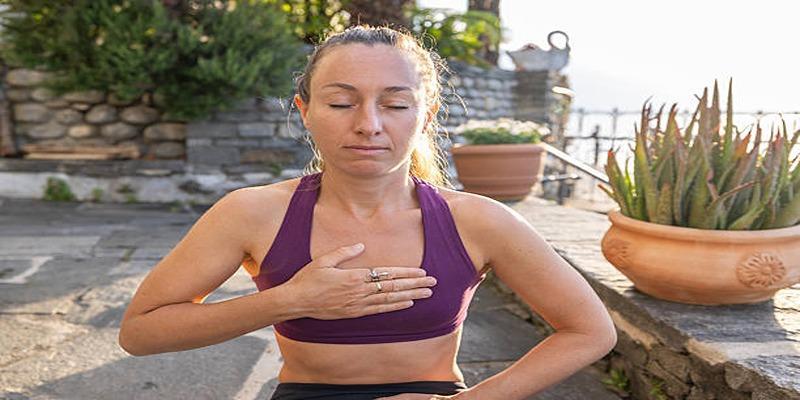
Breathing is a skill that can be learnt and trained on to ensure you receive maximum oxygen when at high altitudes. Slow breathing, with gravity and control, supplies more oxygen to your lungs and blood supply to help you feel stronger and fight feelings of breathlessness.
One technique that people like is the 4-7-8 technique where you inhale deeply through your nose by counting 4, pausing 7, and exhaling fully 8. Doing these exercises ahead of time will allow them to become part of your routine when they are most required.
Use Medications Wisely
When you are likely to be affected by the altitude, or are afraid of taking such a run, you need to discuss it with your doctor before the trip. They can prescribe medicines like acetazolamide (Diamox) which will eventually help in becoming accustomed to elevated altitudes. This medicine is commonly used as a pre- and peri-flight.
Ibuprofen or paracetamol may be taken over the counter as other painkillers to help ease small symptoms like a headache. Never ignore dosage advice and never ignore concerning type of symptoms, consult your physician.
Know When to Turn Back
It's important to understand your limits and know when to adjust or change your approach. While reaching the top of a mountain—or achieving any goal—can be rewarding, it's never worth compromising your health. Pay attention to your body and listen to what it’s telling you. Prioritizing safety over ambition not only protects you but also makes the overall experience more enjoyable and fulfilling.
Conclusion
Traveling to high altitude is a wonderful reward, and it is the preparation and awareness level to help remain safe. Risks can be reduced by training your body, slowly climbing the mountain, hydration, proper dieting, and proper packing. Early symptoms are important, breathing exercises are important and understanding when to halt or go down, all make it a safer ride.