
Migraine pain can be debilitating and often disrupts daily activities. Today, many people seek relief through migraine pressure point therapy. Activating specific pressure points on the body may help reduce tension and ease migraine intensity. Applying pressure to targeted areas can help reduce stress and improve blood circulation. These natural techniques are gaining popularity due to their minimal side effects.
As part of a more comprehensive management strategy, people who experience migraines frequently investigate pressure points to relieve migraines. Acupressure methods can be performed at home and don’t require any special equipment. These techniques can provide comfort on their own or when used alongside medications. This guide explains the science of acupressure and highlights effective pressure points for migraine relief.
Understanding Migraine Pain and Pressure Point Logic
Migraines are not just regular headaches. They are often accompanied by light sensitivity, nausea, and intense throbbing pain. Stress, hormones, and diet frequently bring them on. A better understanding of how pressure points function aids in pain management. Pressure points are believed to affect pain perception by sending signals through the nervous system. In traditional Chinese medicine, stimulating these points is thought to unblock energy pathways. Modern research offers partial support for these traditional theories.
When administered properly, migraine pressure point therapy can reduce muscle tension and increase blood flow. Unlike acupuncture, you only need to apply steady finger pressure. For immediate relief during attacks, people frequently massage or press these areas. The goal is to reduce both the severity and duration of migraines. The first step in treating chronic migraines naturally without the need for additional medication is understanding which body parts to focus on.
Pressure Point LI-4 (Hegu): Hand Relief That Helps
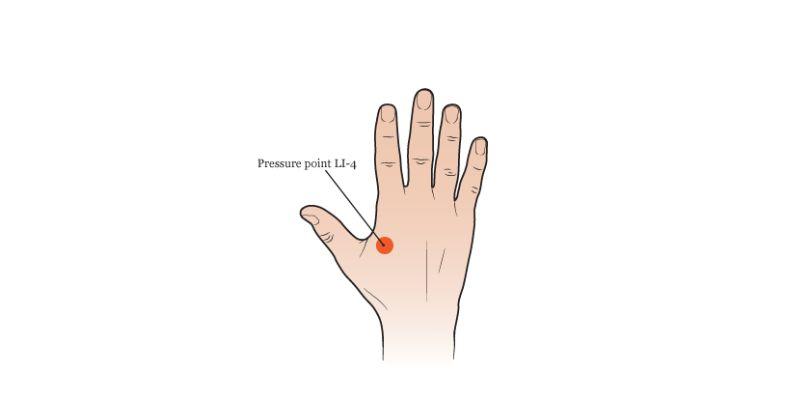
LI-4 is a well-known acupressure point that is situated between the thumb and index finger. LI-4, also known as Hegu, is a point that helps with pain management. Tension headaches, toothaches, and migraines can all be relieved by pressing here. Use it by lightly pinching and massaging the area in tiny circles. After about 30 seconds of applying pressure, switch hands.
LI-4 is frequently beneficial when pain first begins for people who use acupressure for migraine relief. It might cause the release of endorphins, which naturally reduce headache pain. Always apply pressure that is both firm and painless. To relax your body, take a slow breath and press. LI-4 is perfect for pressure points to relieve migraines because it connects to the head through energy channels. For quicker results, many people combine this with temple massage. Anyone can learn this easy method.
Yintang (Third Eye Point): Calm the Forehead Area
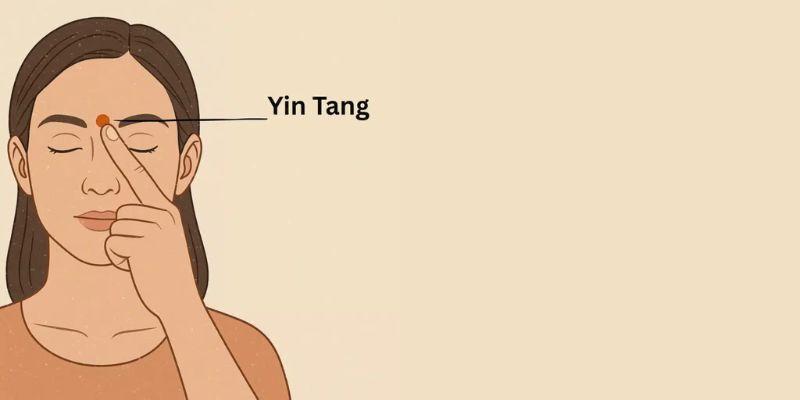
The Yintang point is located directly above the nose bridge, between the eyebrows. It is frequently referred to as the third eye point. Stress, eye fatigue, and forehead pain can all be lessened by applying pressure here. It’s particularly helpful when migraine attacks cause tension in the temples or around the eyes. Using your middle finger, gently press and massage the area. Shut your eyes and apply pressure while breathing slowly.
Due to its relaxing effects, many users incorporate this into migraine pressure point therapy. It might also lessen anxiety and enhance sleep. It works best in a calm area where you can lie down or sit. A light touch is sufficient for yintang; strong pressure is not necessary. The overall benefit is increased when this point is used in conjunction with others. It’s a simple, all-natural method of relieving stress.
GB20 (Feng Chi): Neck-Based Tension Relief
At the base of the skull is GB20, sometimes referred to as Feng Chi. It is located in the hollows where the neck muscles attach, directly beneath the ears. This location is well-known for relieving neck stiffness and migraines. Tilt your head back a little and press upward into the hollows with your thumbs. As you exert pressure, take a deep breath. This point lessens pain signals and enhances blood flow to the brain.
Because it releases deep tension, people incorporate it into their acupressure for migraine relief routines. Tight neck muscles are often the first sign of a migraine. GB20 aids in their natural loosening. It is most effective when stimulated in the early stages of a migraine. It is frequently applied to the forehead and hand points. Spend a few minutes each day practicing to increase focus and avoid headaches.
Taiyang (Temple Point): Soothing Side-of-Head Pain
The temples on either side of your head are the locations of taiyang points. Tension and migraine headaches are frequently associated with this location. Rub the area gently in circles with your fingertips. Light pressure is more effective here, so don’t apply too much pressure. Temple massage increases blood flow and calms nerve endings. The method can be used anywhere and is safe.
The Taiyang area provides immediate relief from acute side-head pain for those undergoing migraine pressure point therapy. It also lessens mental exhaustion and light sensitivity. Combine this with dim lighting and eye closure. It could hasten the calming effect. When a migraine attack is just getting started, use it. That is a common technique used in pressure points to relieve migraines.
Foot Pressure Point LV3 (Tai Chong): Full Body Energy Balance
Tai Chong, or LV3, is located on the top of your foot. It is situated between the big and second toes. In Chinese medicine, this point is associated with the liver meridian and aids in managing migraines brought on by stress. Locate the groove between the two toes and gently press to apply pressure. It has a reputation for calming the body and reestablishing the equilibrium of energy. It increases overall effectiveness when paired with other points.
People frequently use LV3 to relieve tension and emotional stress. This location serves as a grounding point in acupressure for migraine relief. It cools the body and calms the mind. Each foot should experience pressure for 30 seconds. To keep your equilibrium and avoid headaches in the future, you can do this every day. It’s a little-known but effective pressure point for long-term health.
Conclusion:
Medication is not always necessary to relieve migraines. The use of migraine pressure point therapy offers people low-risk, natural alternatives. Pain may be quickly relieved by applying pressure to the hand, foot, forehead, temple, and neck. These techniques promote emotional equilibrium and long-term relief when used regularly. For best effects, start early in the migraine cycle. These methods are simple to learn, regardless of whether you prefer acupressure for migraine relief or use it in conjunction with medical treatment. Examine various pressure points and note your body’s response. A single finger press could bring relief.