Driving west through Texas, the landscape begins to stretch and quiet. Cell service drops. Towns thin out. In Far West Texas, there’s no rush, no pressure to fill the silence. The road doesn’t promise much—just space, and a chance to see what happens when there’s nothing to distract you.
Art and adventure in Far West Texas aren’t prepackaged. They come in strange forms: a concrete block in the desert, a canyon trail no one’s walked today. What pulls people here is the sense that anything could matter—and nothing has to.
Marfa: Minimalism, Mirages, and Big Skies
Marfa sits quietly on the desert floor, but it's shaped modern art in ways that few towns of its size ever have. Donald Judd came here in the '70s seeking distance, turning an old army base into something new. The Chinati Foundation still carries his vision, with sprawling minimalist installations that almost blend into the land.
But Judd didn’t freeze time. Marfa evolved. Pop-up shows, tucked-away galleries, and pieces like the fake Prada storefront west of town blur the line between the absurd and the intentional. You might walk past a rusting trailer and discover it's a gallery. Or you might not.
Marfa never begs for attention. Art here works alongside the land, not in front of it. People come from around the world, not for spectacle but for space—to think, to experiment, or just to see how art feels when it’s surrounded by dust and sky. That space gives the work room to breathe.
Big Bend: Dust Trails and Canyon Echoes
Drive southeast, and the open land gives way to something even more raw—Big Bend, where ridgelines slice into the sky and the Rio Grande winds through canyon walls. It's a different kind of presence, not curated, but vast and physical.
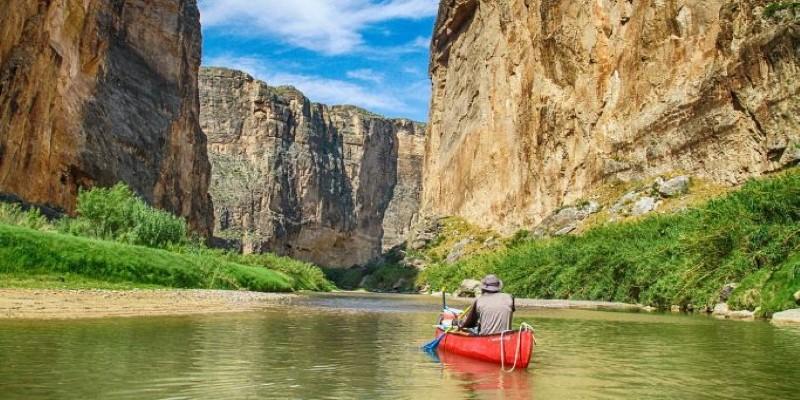
The park offers more than views. There are trails that climb into the Chisos Mountains, hot springs hidden near the river, and desert plains that seem to go on forever. In places like Santa Elena Canyon, you feel small, in the best way. You can hear the wind echo off the stone, or the quiet shuffle of mule deer in the brush.
Here, adventure doesn’t mean adrenaline. It means awareness. You hike with care, plan your routes, and carry your own water. There’s no one to call if something goes wrong. But that’s what makes it feel real—the solitude isn’t just around you, it’s part of the experience. Out here, nature isn’t scenery—it’s the whole story.
The Space Between: Small Towns, Strange Roads, and Stories
The roads that connect Marfa and Big Bend aren’t just stretches of asphalt—they're part of what makes the area feel alive. You pass through towns that look half asleep but have stories tucked into them. Alpine, with its train station and murals, holds a quiet pride. Fort Davis brings history forward with a restored military post, giving texture to the past.
Terlingua leans in the opposite direction. What was once a mining town now feels like an outpost for artists, wanderers, and people who simply stayed. Crumbling buildings sit next to metal sculptures. There’s a cemetery where the graves are marked with stones, crosses, or whatever someone had on hand. It doesn’t feel curated—it feels lived in.
Even between towns, you’ll find pieces of expression—painted signs, handmade furniture, or tin art leaning against a fence. People talk slow out here, if they talk at all. But if you ask, they might tell you about a lightning strike, or a dry river that once roared, or a sculpture they built from scrap.
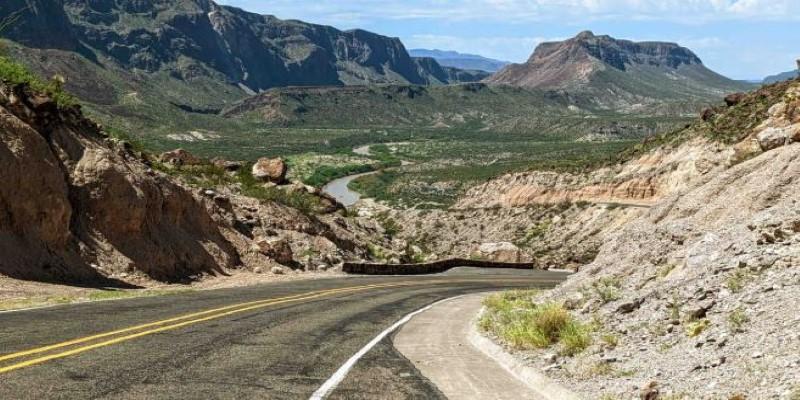
Driving through Far West Texas is its own kind of art. The road curves wide, the sky changes constantly, and every mile feels like it could be the middle of nowhere—or the start of something.
Why the Silence Matters?
Silence in Far West Texas isn’t just the lack of sound. It’s the absence of interruption. That quiet makes room for things to unfold on their own. You notice how the sun moves, how a shadow stretches across gravel, how still everything can be.
That's part of what makes the art and adventure here feel different. There's no packaged experience, no need to prove anything. The installations in Marfa, the trails in Big Bend, and the slow pace of small towns —they don't push for attention. They just exist, and you decide how much of yourself to bring to them.
People who connect with this place often say the same thing—they didn’t expect to feel anything. Then they did. Sometimes it’s awe, sometimes discomfort, sometimes a kind of calm they hadn’t felt in a long time. The landscape makes no promises, but it leaves room for something to settle.
Art and adventure in Far West Texas aren’t about discovery in the traditional sense. They’re about stepping into an open space and letting it work on you. Whether you’re staring at a rusted sculpture or watching bats pour out of a canyon at dusk, you’re part of the stillness for a moment.
Conclusion
Leaving Far West Texas is like waking from a dream that didn’t explain itself. The desert doesn’t wave goodbye. The installations don’t need closure. But something stays with you—the silence, the strange mix of creativity and dust, the feeling of being untethered. Back home, it might take a while to realize what changed. Maybe it’s how you look at empty space. Maybe it’s how you think about art. Maybe it’s nothing you can name. Out there, nothing is polished, but everything feels deliberate. And for many who wander into this corner of Texas, that’s enough to return someday, searching again for silence and wonder.