
Hip replacement surgery helps many people regain mobility and reduce chronic pain caused by arthritis, injury, or joint deterioration. Among the most commonly used surgical options are the anterior and posterior hip replacement approaches. Each method approaches the hip joint from a different direction, offering its own benefits, considerations, and recovery experiences. Many patients want to know if one method is better than the other, yet the answer depends on personal health needs, anatomy, and the surgeon’s experience. Understanding how each approach works helps patients make informed decisions that support long-term comfort and mobility.
What Is Anterior Hip Replacement?
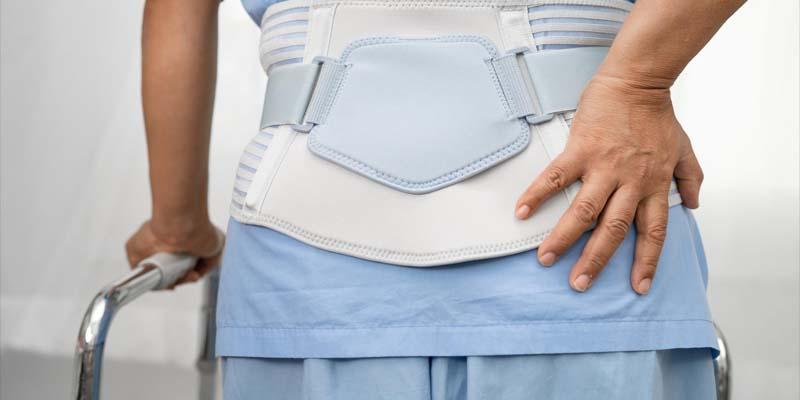
The anterior approach accesses the hip joint from the front of the body. Surgeons move between natural muscle planes rather than cutting through major muscle groups. Because of this, some patients experience less initial discomfort and a smoother early recovery. Entering through the front allows surgeons to avoid disturbing the main stabilizing muscles located at the back of the hip. The artificial components are then placed to restore joint movement and reduce pain from damaged bone and cartilage.
This method appeals to patients who want the possibility of early mobility. Some people notice fewer movement restrictions and quicker transitions into walking after surgery. However, the anterior approach requires a specific table and specialized training. Surgeons must be highly experienced in this method to achieve the best outcomes. In addition, certain anatomical shapes, previous hip conditions, or body types may limit candidacy for this approach.
What Is Posterior Hip Replacement?
The posterior approach enters the hip joint from the back. It has been used for many decades and remains a widely trusted method. Surgeons temporarily detach some of the small muscles and tendons at the back of the hip to reach the joint. These structures are repaired at the end of the surgery. This method provides excellent visibility of the hip, which can be helpful for patients with complex joint damage or unusual anatomy.
Many surgeons prefer the posterior approach because it allows consistent access and reliable placement of the implant. While some patients follow short-term precautions to protect the healing joint, long-term outcomes are often excellent. This method works well for a wide range of patients, including those with advanced arthritis or other structural issues.
Comparing The Two Approaches
Comparisons often focus on differences in pain, mobility, surgical complexity, and long-term success. The anterior method is known for minimal muscle disruption, which may support smoother early movement. Some patients feel more stable shortly after surgery because the key stabilizing muscles remain intact.
The posterior approach offers strong visibility and flexibility during the procedure, especially in challenging cases. Surgeons experienced in this method can carefully position the implant to encourage long-term comfort, balance, and joint function. Because the posterior technique has been used for so many years, its outcomes are well-studied and consistently positive.
Recovery Experiences and Mobility
Recovery depends on many factors, including age, health status, muscle strength, and adherence to postoperative instructions. People recovering from anterior hip replacement may notice early improvements in walking or daily activities due to less muscle disruption. Many patients appreciate the reduced soreness during the first few weeks.
Recovery from the posterior method also leads to strong long-term outcomes. While there may be temporary movement precautions early in the healing process, these guidelines exist to protect the repaired tissues. Once recovery progresses, patients often regain excellent mobility and can return to active lifestyles, including walking, exercise, and recreational activities.
Understanding Potential Risks
Both approaches come with risks, although advances in surgical techniques continue to reduce complications. The anterior approach may carry a risk of temporary numbness due to nearby nerves. People with larger body frames or certain anatomical shapes may not be ideal candidates. The procedure also requires highly trained surgeons and specialized equipment.
The posterior approach may involve a slightly increased risk of dislocation during the early healing period, although improvements in implant design and surgical technique have lowered this concern. Muscles that are temporarily detached during surgery usually heal well, and many patients recover full strength.
How Surgeons Decide Which Approach to Use
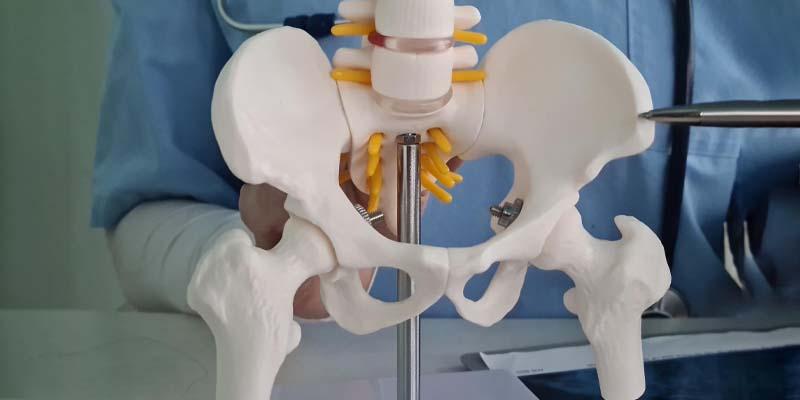
Surgeons evaluate each patient individually before recommending a method. Personal anatomy, bone structure, lifestyle goals, medical history, and previous hip issues all influence the decision. A surgeon’s training plays a major part in the final choice. Many surgeons specialize in one method and achieve consistently strong results because they are highly familiar with its techniques.
Some patients may be ideal candidates for the anterior method due to muscle structure and activity goals. Others may benefit more from the posterior method because of bone shape, arthritis patterns, or joint complexity. The key is matching the approach with the patient’s specific needs.
The Role of Long-Term Outcomes
Both anterior and posterior hip replacement approaches offer strong long-term success. Implants used in both methods are designed for durability, stability, and natural movement. Studies show that long-term outcomes are similar, with high satisfaction rates for both techniques. What matters most is a well-performed surgery completed by a skilled surgeon, followed by a proper recovery plan that includes physical therapy and steady movement.
People who maintain active lifestyles, follow medical guidance, and manage overall health typically experience excellent results. Many patients return to walking, exercising, and daily routines with improved comfort and fewer limitations.
Choosing the Right Approach for Your Needs
Patients should consider their goals, questions, and comfort levels when discussing options with their surgeon. Understanding expectations for recovery, pain management, and activity levels can help shape the decision. The best choice is not the method that appears most popular but the method that aligns with personal health needs and the surgeon’s professional expertise.
Speaking openly with the surgeon about concerns, lifestyle habits, and future activity goals encourages a clearer understanding of each method’s benefits. This conversation helps build confidence and supports a successful outcome.
Final Thoughts
Anterior and posterior hip replacement techniques both offer reliable solutions for people living with severe hip pain. Each approach has strengths that support long-term mobility, comfort, and quality of life. Instead of viewing one method as universally superior, it is more helpful to understand how each technique works and how it aligns with personal health needs. By consulting with a knowledgeable orthopedic surgeon and reviewing individual factors such as anatomy and recovery goals, patients can make informed decisions that support a healthier and more active future.
Both approaches continue to help people return to daily activities with confidence. With proper care before and after surgery, hip replacement can provide lasting relief, stronger mobility, and renewed independence.