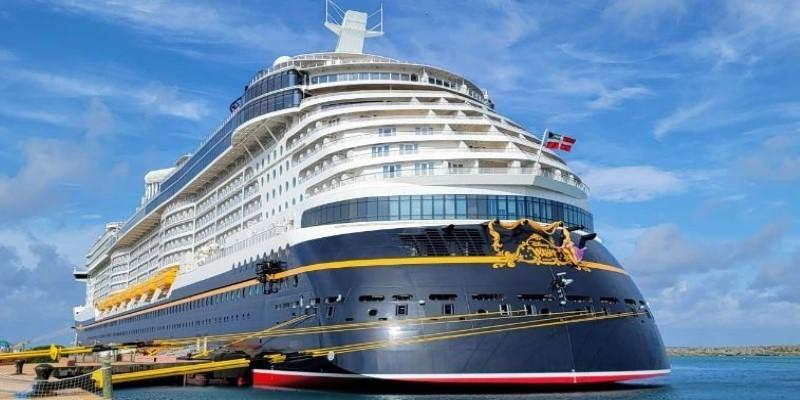
Mykonos and Santorini are two of Greece's most well-known islands. Millions of people come to see their whitewashed buildings, blue-domed churches, and stunning vistas of the sea every year. But being popular means having to deal with stress. During the summer, cruise ships bring in thousands of people every day. Streets are packed, services get stretched, and people who live there feel it.
A new tourist charge for cruise passengers has been put in place to help deal with these problems. The purpose is to help the local infrastructure, keep the islands from getting too crowded, and preserve their beauty. If you want to travel during peak season or off-season, here's everything you need to know about this new restriction and how it can affect your vacation.
Why The Tax Was Introduced
People know Santorini and Mykonos for their beauty and charm. In the summer, they bring in thousands of cruise passengers every day. This abrupt rise in population puts significant strain on public transportation, streets, and municipal services. Water supply and waste management struggle to meet demand. People who live there have to deal with crowded areas, traffic delays, and limited access to services. The government is using the new tourist fee to deal with these issues.
By collecting a fee only during certain times of the year, officials can keep the number of visitors down and encourage people to come during less busy times. This method helps to spread out tourism more equally throughout the year. The money will be used to improve important infrastructure, such as roads, ports, and public spaces. Both locals and tourists will profit from these improvements. The goal is to keep the islands' charm while finding a way to balance the requirements of tourists and the locals.
How Much Is The Tourist Tax?
The tourist tax in Santorini and Mykonos changes with the seasons. During the busiest months, from June to September, each cruise passenger has to pay €20. The cost goes down to €12 in October, which is a slight savings for travelers. The low season charge is only €4 per person from November to March. These differing prices encourage people to travel outside the hectic season.
Seasonal pricing helps maintain the islands' niceness for everyone by keeping them from getting too crowded. These tariffs are greater than those at other Greek ports, but the islands' popularity makes them worth it. The tax is a technique to keep things in balance when there is a lot of demand but not enough space or resources. Visitors who come during off-peak months can enjoy reduced prices, fewer people, and a more laid-back experience while still supporting the islands all year.
How The Tax Will Be Collected
Cruise lines will be in charge of collecting the tourist tax. It ensures things run smoothly and passengers don't become confused. In most cases, the cost will be applied to the price of the ticket before you leave. Some businesses might charge it separately, but still, before you go to the islands. With this arrangement, visitors won't have to pay for things one at a time once they get off the boat. It also cuts down on delays, paperwork, and lines at ports.
The money that was collected will go straight to government accounts for distribution. After that, the government will use this money to fund projects that make infrastructure better and help manage tourism. This strategy makes sure that everything runs smoothly and that the financial records are clear. Passengers don't have to worry about extra expenses at the port when they travel.
Where The Money Will Be Used
The money from the tourist tax will be used right away on projects that will help Santorini and Mykonos. One of the main goals will be to make ports more able to manage visitors. During busy seasons, waste management systems will be enlarged to handle more waste. Public areas, including parks, pathways, and squares, will be cleaned up and improved. The money will also go toward projects that promote sustainable tourism, like keeping beaches clean and fixing up old buildings.
Projects to conserve the environment will help keep the islands' natural beauty for future generations. These upgrades will improve the quality of life for inhabitants and enhance visitors' experiences. The tax makes sure that tourism remains a strong economic driver by focusing on long-term development. This balance between growth and preservation is important for sustaining the islands' status as world-class tourist spots while also making sure that local people can live there.
Impact On Visitors
For most travelers, the new tourist tax won't add much to the cost of their trip. The process is simple and stress-free because cruise operators charge the price in advance. People don't have to worry about where to pay when they get there. Some people who travel may arrange their trips during the off-peak months when prices are lower. This choice also means that there will be fewer people and shorter lines at attractions.
People who visit during the off-season might enjoy greater privacy and easier access to services. The islands are always lovely, so visiting them in the winter is still a great experience. Seasonal pricing might help tourism be more balanced by spreading tourists out more evenly throughout the year. The fee is meant to enhance the visitor experience, not degrade it, by protecting infrastructure and the health of the town.
Conclusion:
For tourists, the new tourist tax in Santorini and Mykonos is a big deal. The islands want to keep their charm and boost public services by charging cruise passengers a nominal fee. The money raised will go toward better crowd control, infrastructure, and environmental projects. It costs a little more to go there, but it helps make sure these places stay fun for years to come. Travelers can plan, pick the best time to go, and feel good knowing their money helps protect the islands. This tax is good for both locals and tourists who enjoy these Greek treasures in the long run.