
Protein has become one of those words you see everywhere—on snack labels, in gym ads, and even on breakfast cereal boxes. Most people know it’s good for them, but very few truly understand why the kind of protein they eat matters so much. Protein is more than just a number on a nutrition label; it’s the foundation your body uses to build, repair, and sustain itself.
Every muscle, cell, and organ relies on protein. But here’s the twist: not all proteins work the same way in your body. Different protein types affect how well you digest food, how your muscles grow, and even how your heart and metabolism perform. So while getting enough protein is important, getting the right kind of protein makes all the difference.
The Difference Between Animal And Plant Proteins
Animal proteins come from foods like chicken, eggs, fish, meat, and dairy. These foods usually contain all nine essential amino acids in balanced amounts, which makes them complete. Because of their composition, your body can absorb and use them easily. That’s why animal protein is often associated with muscle recovery and growth, especially for people who exercise regularly.
Plant proteins come from beans, lentils, nuts, seeds, and grains. They’re valuable too, but most of them lack one or two of the essential amino acids. Still, when you eat a mix of different plant-based foods, you can fill those gaps. For example, rice and beans make a complete protein together even though they aren’t complete on their own.
This combination method is why vegetarians and vegans can maintain strong, healthy bodies without eating meat or dairy. Variety is what keeps the balance right. It’s not about choosing one source over another, but about mixing them wisely so your body gets the full range of nutrients it needs.
How Protein Type Affects Digestion?
The way your body digests protein depends on its source. Animal proteins are usually digested faster and absorbed more easily because their amino acid pattern is similar to the one found in human tissue. This makes them highly efficient for repairing muscle or recovering after an injury.
Plant proteins, on the other hand, take longer to digest. They contain fiber and natural plant compounds that slow down absorption. While that might seem like a disadvantage, it actually helps you stay full for longer and keeps your blood sugar stable. For people trying to manage hunger or weight, that slower digestion can be helpful.
Nutrients That Come With Protein
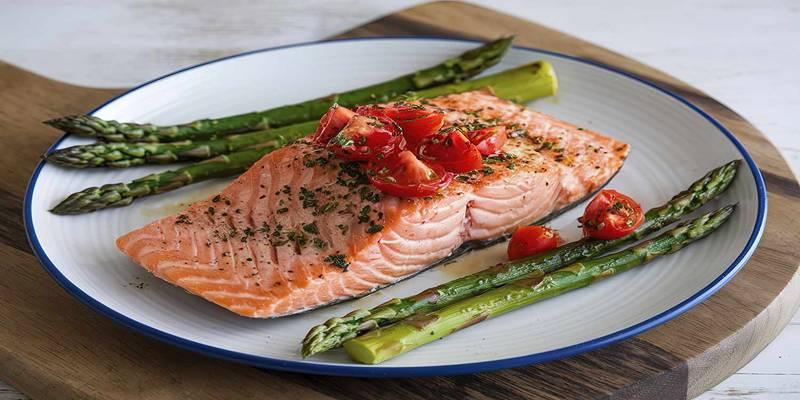
Different protein sources bring different nutrients to the table. A piece of grilled salmon provides high-quality protein along with omega-3 fats that support heart and brain health. Eggs add vitamins like B12 and D. Lentils and chickpeas bring fiber, iron, and magnesium, which help with energy and digestion.
When thinking about protein, it’s important to consider the entire nutrient package, not just the amount of protein itself. A balanced diet that mixes both animal and plant sources gives your body a variety of vitamins, minerals, and healthy fats that work together to support your health.
Protein Supplements And How They Fit In?
Protein powders have become very popular, especially among people who exercise or have busy schedules. The most common types are whey and casein, both made from milk. Whey protein is digested quickly, making it great after workouts when your muscles need quick repair. Casein digests more slowly, offering a steady release of amino acids over several hours.
Plant-based protein powders like soy, pea, or rice protein are good alternatives for people who don’t consume dairy. Soy protein is complete on its own, while pea and rice are often blended to make a complete mix.
Even though supplements are convenient, they shouldn’t replace real food. Many powders have added sugars or flavoring that reduce their nutritional value. It’s better to use them only when your regular diet doesn’t provide enough protein.
The Long-Term Health Impact Of Protein Type
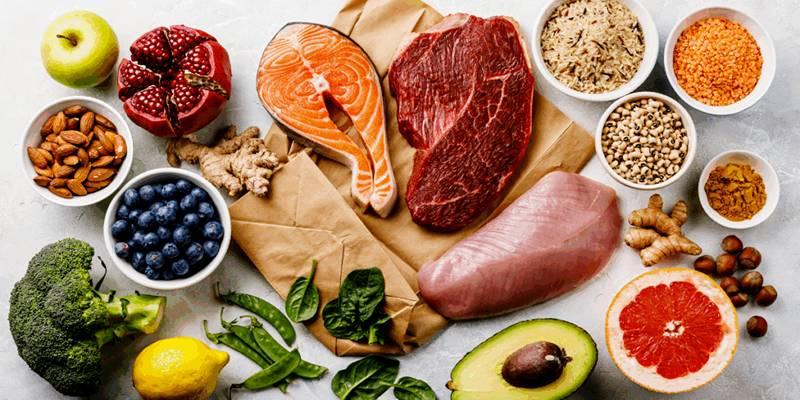
The kind of protein you eat has long-term effects on your heart, metabolism, and even how long you live. Research from Harvard and the National Institutes of Health suggests that diets high in red and processed meats are linked to greater risks of heart disease and certain cancers. This doesn’t mean you should stop eating meat completely, but it does show that moderation and variety matter.
Choosing lean meats, fish, or plant proteins instead of processed meats can make a noticeable difference in your health. People who replace part of their animal protein intake with plant-based protein often see better cholesterol levels, lower blood pressure, and improved heart function.
Plant proteins also come with fewer saturated fats and more fiber, which supports digestion and helps regulate weight. That combination makes plant-based proteins a smart choice for long-term wellness.
Cooking And Choosing Protein Wisely
The way you prepare protein foods can either keep or reduce their health benefits. Grilling, baking, or steaming meat and fish preserves their nutrients without adding unhealthy fats. Frying or using heavy sauces can turn even the healthiest protein into a less nutritious meal.
When cooking plant proteins, soaking beans and lentils before cooking helps improve their digestibility. Pairing them with vitamin C-rich foods, like tomatoes or peppers, also improves iron absorption from plant-based sources. These small details make a big difference in how well your body uses the protein you eat.
Conclusion
The type of protein you eat makes a real difference. It affects how your body digests food, builds strength, and stays healthy over time. Animal proteins are rich and complete but can come with extra fats, while plant proteins support heart health and bring valuable nutrients. Finding a mix that matches your diet and daily needs keeps your body balanced, strong, and nourished for the long run.
Making mindful choices about your protein sources helps you maintain steady energy, better digestion, and a stronger immune system. When your meals are balanced with the right types of protein, your body has everything it needs to perform at its best every single day.