Travel brochures show perfect beaches and sunsets, but the reality often includes delayed flights, language barriers, and homesickness. Every traveler knows the struggle: canceled flights, lost hotel bookings, or getting lost in a foreign city. The good news? These challenges are normal, and with the right strategies, you can handle them like a pro. Here's how to turn setbacks into smooth travels.
Flight Delays and Cancellations
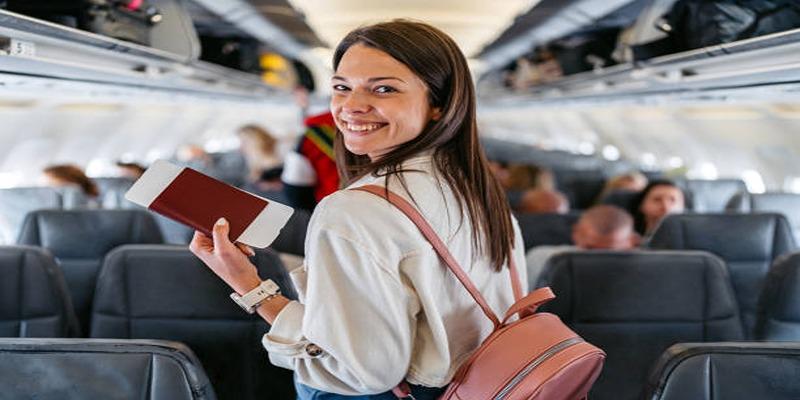
Nothing ruins travel momentum quite like spending eight hours in an airport terminal. Flight disruptions affect millions of passengers annually, but your response can make all the difference.
- Stay informed and act fast. Download your airline's mobile app and sign up for flight notifications. The moment you receive a delay or cancellation notice, contact the airline immediately. Calling often works better than standing in long customer service lines at the airport.
- Know your rights. In the U.S., airlines must provide meal vouchers for delays over three hours and hotel accommodations for overnight delays caused by airline issues. European passengers enjoy even stronger protections under EU261 regulations, which can provide compensation up to €600 for significant delays.
- Have backup plans ready. Research alternative flights on different airlines before you travel. Consider nearby airports if you're flexible with ground transportation. Sometimes a two-hour drive to a different departure city beats waiting 24 hours for the next available flight.
Language Barriers
Trying to communicate in a foreign language ranges from amusing to genuinely stressful, especially when dealing with emergencies or complex situations.
- Master the basics before you go. Learn key phrases like "Where is...?", "How much?", "I need help," and "Do you speak English?" Even butchered pronunciation shows respect for local culture and often encourages patience from locals.
- Use technology wisely. Google Translate's camera function can instantly translate signs, menus, and written text. The conversation mode lets you speak into your phone and hear translations in real-time. Download offline language packs for areas with poor internet connectivity.
- Carry a translation card. Write down your hotel address, important medical information, and emergency contacts in the local language. Show these cards to taxi drivers, medical personnel, or anyone helping you navigate challenging situations.
- Embrace non-verbal communication. Pointing, gesturing, drawing pictures, and using your phone's calculator for prices work surprisingly well. Most people want to help, and creativity often bridges language gaps better than perfect grammar.
Getting Lost or Disoriented
GPS isn't foolproof, especially in areas with poor signal coverage or rapidly changing urban landscapes. Getting lost can quickly escalate from inconvenient to dangerous.
- Download offline maps. Google Maps, Maps.me, and other apps let you download entire city or region maps to your phone. These work without internet connection and include walking directions, public transportation routes, and points of interest.
- Learn landmark navigation. Before leaving your accommodation, note distinctive landmarks, major streets, and public transportation stops nearby. Take photos of street signs and your hotel entrance. This old-school approach works when technology fails.
- Ask locals, not tourists. Shop owners, restaurant staff, and people working in the area usually provide better directions than fellow tourists. They know current construction, closed streets, and the fastest routes to your destination.
Budget Overruns
Travel costs add up faster than expected, especially in expensive destinations or when dealing with unexpected expenses like medical bills or emergency transportation.
- Track spending daily. Use apps like Trail Wallet or Trabee Pocket to log expenses in real-time. Seeing exactly where your money goes helps prevent end-of-trip budget shocks and allows for mid-trip adjustments.
- Build in buffer funds. Add 20-25% to your estimated budget for unexpected costs. This covers everything from ATM fees to that once-in-a-lifetime excursion you discover along the way.
- Find free alternatives. Most destinations offer excellent free activities: hiking trails, beaches, museums with free days, walking tours, local festivals, and people-watching in central squares. Research these options before expensive tour bookings.
- Cook some meals yourself. Book accommodations with kitchen access occasionally. Shopping at local markets and preparing simple meals provides cultural insight while dramatically reducing food costs.
Homesickness and Culture Shock
Extended travel can trigger unexpected emotional responses, even for experienced travelers. Missing familiar foods, customs, or people is completely normal.
- Stay connected, but not too connected. Schedule regular check-ins with family and friends, but avoid constant social media scrolling that makes you feel disconnected from your current experience.
- Embrace routine. Maintain some familiar habits like morning coffee rituals, exercise routines, or evening journaling. These anchors provide stability amid constant change.
- Give yourself adjustment time. Culture shock often peaks around the third or fourth day in a new place. Acknowledge these feelings without judgment and remember they typically fade as you adapt.
- Find familiar comforts. Seek out foods, activities, or environments that remind you of home when needed. There's no shame in visiting that American restaurant or spending an afternoon in a familiar coffee chain.
Health Issues and Medical Emergencies

Getting sick or injured far from home ranks among travelers' biggest fears, particularly in countries with different medical systems or language barriers.
- Get comprehensive travel insurance. This isn't optional. Ensure your policy covers emergency medical treatment, medical evacuation, and trip interruption. Read the fine print about pre-existing conditions and high-risk activities.
- Research medical facilities beforehand. Identify hospitals, clinics, and pharmacies near your accommodations. Many travel guides and embassy websites provide lists of English-speaking doctors and international-standard medical facilities.
- Carry a medical information card. Include allergies, current medications, emergency contacts, and your insurance information translated into the local language. Add your doctor's contact information and any relevant medical history.
- Pack a comprehensive first aid kit. Include medications (in original containers), pain relievers, anti-diarrheal medication, bandages, antiseptic, and any specific items for your health conditions.
Final Thoughts
Travel challenges test your adaptability, patience, and problem-solving skills. While canceled flights or food poisoning aren’t fun, they often become the stories you’ll laugh about later. The key is preparation and mindset—research common issues, pack smart, and have travel insurance. Embrace challenges as part of the adventure, not disasters. With preparation and flexibility, you’ll tackle obstacles, travel safely, and return with unforgettable memories and valuable life lessons.